In January 2026, members of the CAA team travelled to Abuja, Nigeria, to engage with Women Environmental Programme (WEP) staff and key stakeholders. The stories below emerge from three interviews with WEP partners and project beneficiaries, each illustrating how inclusive climate training can translate into tangible leadership, advocacy, and systemic change.
Through Climate Action Africa (CAA) technical assistance, WEP requested support to help strengthen Nigeria’s National Gender Policy, with a particular focus on increasing women’s participation in environmental and climate decision‑making. The collaboration aimed to improve women’s access to climate information and communication strategies, while building the capacity of women and vulnerable groups to sustainably use ecosystems, including through green farming practices.
Climate Action Africa’s Monitoring and Evaluation Mission
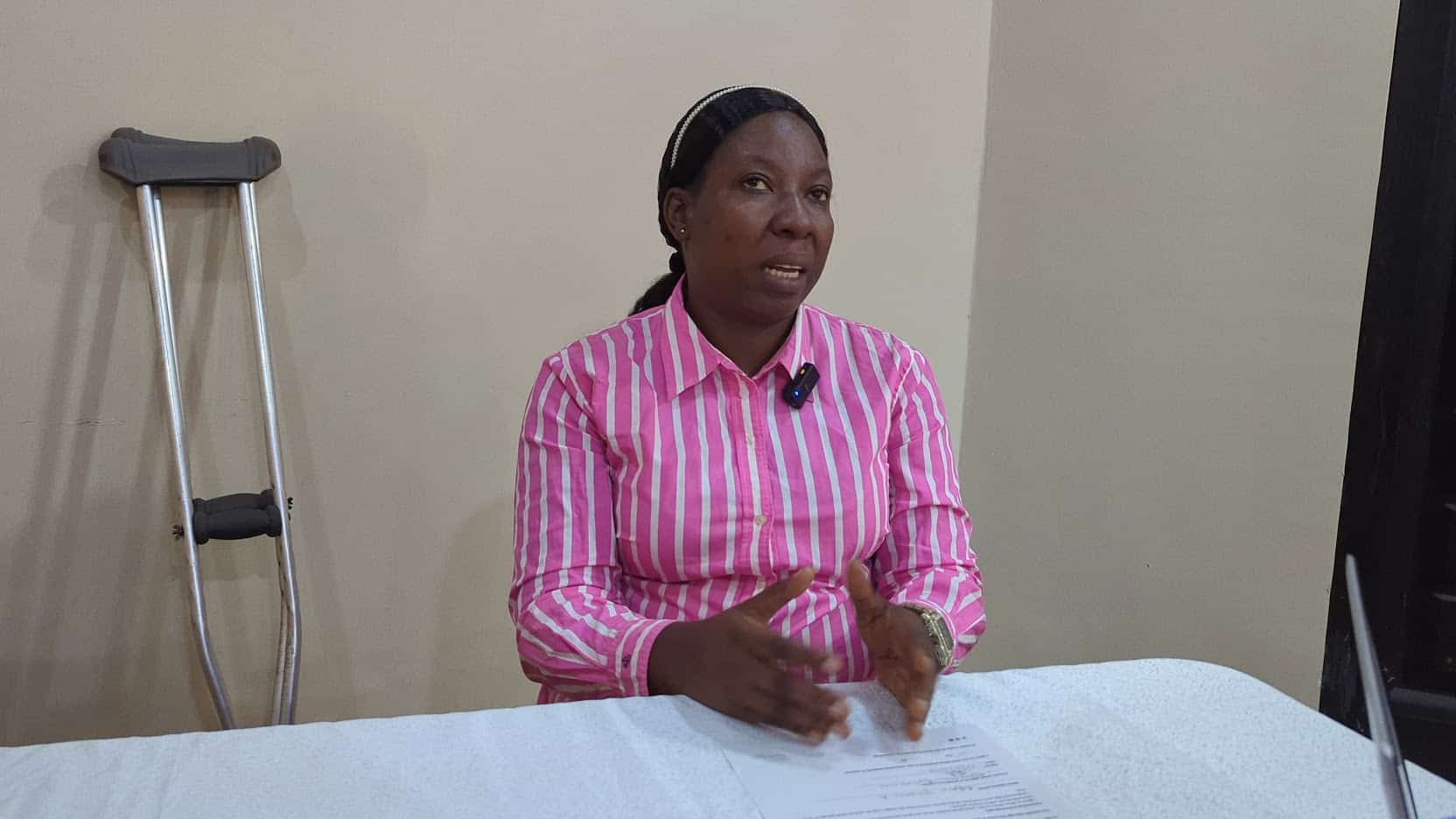
FAVOUR ADJARA: Advancing Disability‑Inclusive Climate Governance
Favour Adjara is a climate advocate, executive lead in a disability‑focused organization, and a woman living with a physical disability. Her lived experience offers a clear lens into how climate change disproportionately affects persons with disabilities in Nigeria—particularly during unpredictable rainy and dry seasons.
Flash floods, extreme heat, inaccessible evacuation routes, rising transport costs, and heightened health risks all converge to create layers of vulnerability. These challenges are compounded by gender inequality, discrimination, and weak public infrastructure.
Favour participated in Climate Action Africa’s climate advocacy training for civil society organizations, delivered in partnership with WEP. The experience marked a turning point in her climate leadership journey.
The training strengthened her understanding of how disability inclusion fits into national climate policy frameworks while equipping her with practical skills in fundraising, policy interpretation, and advocacy strategy. As a result, she successfully secured three grants to expand disability‑inclusive climate education and community outreach initiatives.
“Climate Action Africa’s training gave me more than skills — it gave me the confidence to engage policymakers, secure resources, and scale disability‑inclusive climate action in my community.”
— Favour Adjara, People with Disabilities Advocate, Nigeria
Armed with new tools and confidence, Favour began engaging decision‑makers directly, challenging the gap between inclusive language on paper and limited participation in practice. Her advocacy now centres on ensuring that people with disabilities are actively involved in planning, policy development, and emergency response—affirming that inclusive climate governance must be shaped by those most affected. Today, Favour stands among a new generation of leaders advancing equitable and disability‑responsive climate resilience in Nigeria.
***
GREG ODUGWU: Strengthening Climate Journalism and Youth Leadership
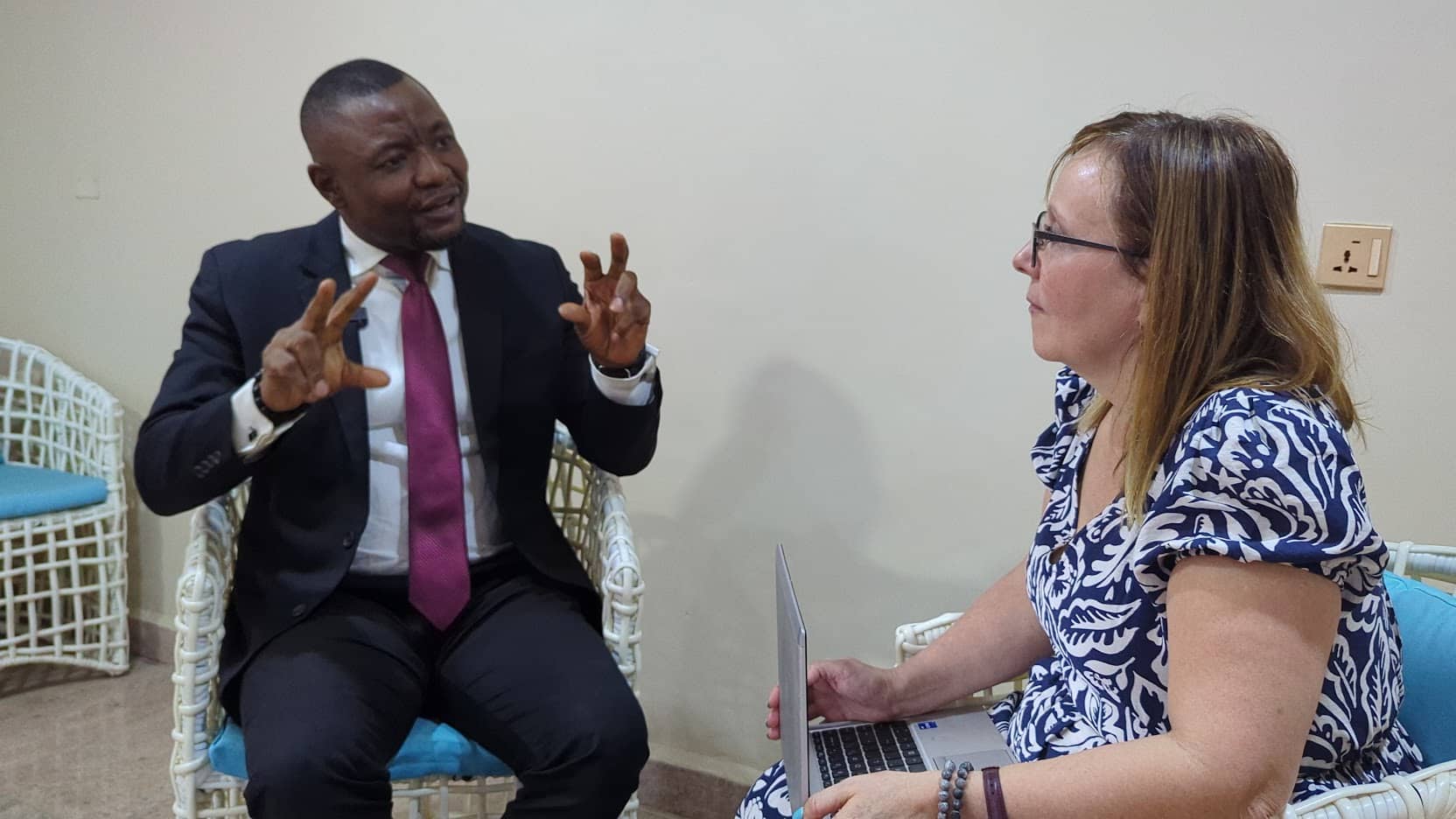
Greg Odugwu is a veteran Nigerian journalist who has written a widely read column for The Punch newspaper since 2012. While he has long engaged with gender and social issues, his participation in CAA’s media training workshop significantly deepened his approach to climate reporting. Delivered in partnership with WEP, the training strengthened Greg’s ability to analyze climate change through a gender‑responsive lens, applying advanced storytelling techniques, research tools, and narrative framing.
Using these skills, Greg authored the article “Gender‑Based Loss and Damage on Climate Change,” which earned national recognition. It became his first nomination in 13 years at the Nigerian Media Awards, ultimately placing second nationwide in the News of the Year category—a milestone he directly attributes to insights gained through CAA’s training.
“Climate storytelling becomes powerful when it reflects gender, justice, and real human impact.”
— Greg Odugwu, Nigerian Journalist
Beyond journalism, Greg expanded his impact by mentoring young reporters through the International Climate Change Center’s “Climate Justice for Africa” program. Drawing on CAA’s gender mainstreaming modules, he also introduced the first “Girl Youth Leader” position within his political climate support network—an innovation now adopted across 36 Nigerian states. Through training, mentorship, and advocacy, Greg continues to help embed more inclusive and informed climate discourse within Nigeria’s media and political spheres.
***
SHARON CHIAHEMEN: Mainstreaming Gender in Climate Communication
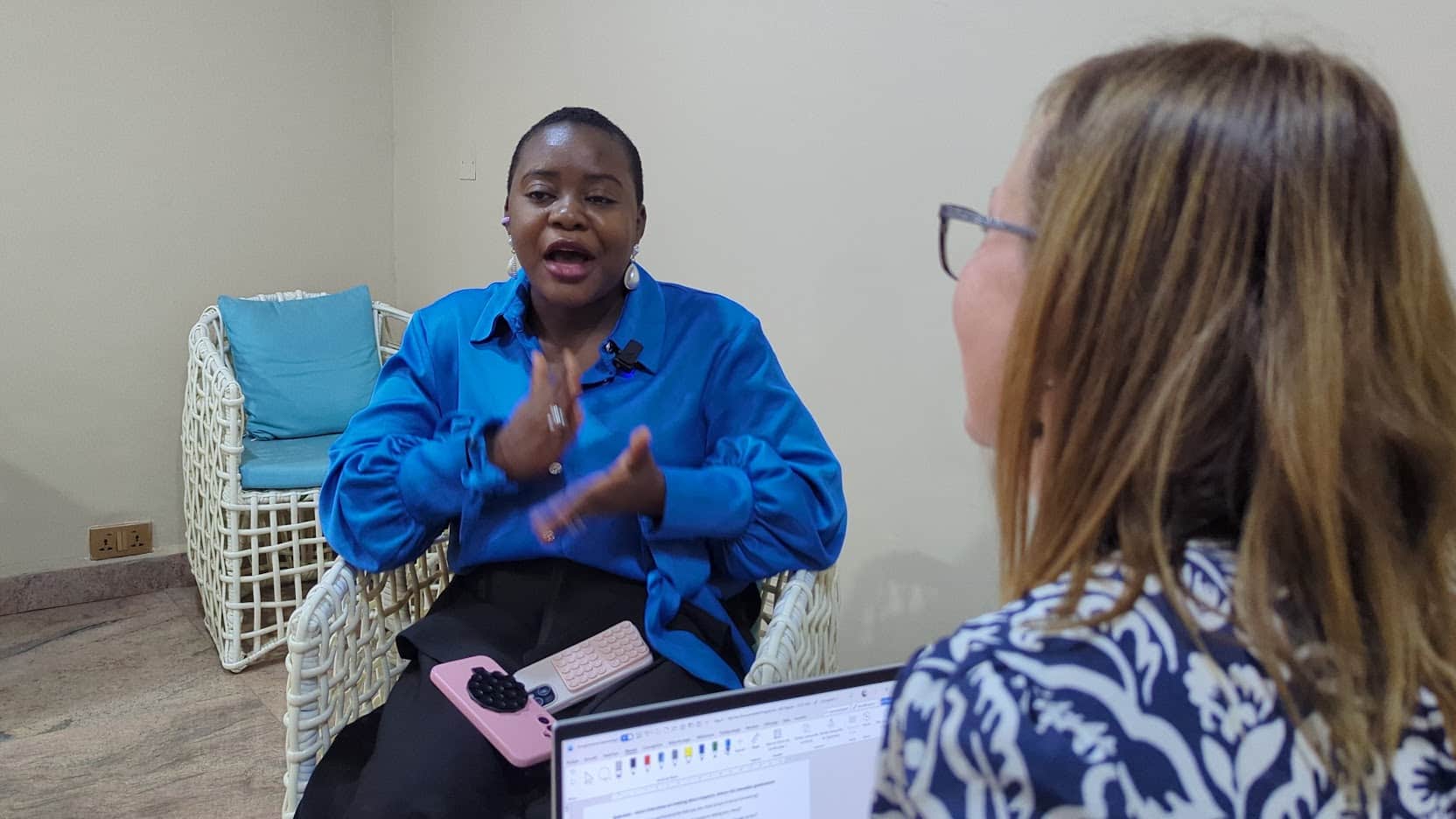
Sharon Chiahemen is a communications practitioner working at the intersection of disability and development. She joined CAA’s 2024 training on gender and climate solutions, delivered in partnership with WEP, and describes it as one of the most detailed and meaningful programs she has attended.
For the first time, Sharon began viewing climate change systematically through a gender lens—recognizing how women, particularly those with disabilities or lower socioeconomic status, face distinct and compounded climate risks. Tools such as structured problem analysis and gender‑inclusive framing transformed the way she approaches her professional work.
“The CAA training helped me see climate change clearly through a gender lens — and that perspective now shapes everything I do.”
— Sharon Chiahemen, Communications Practitioner, Nigeria
After the training, Sharon shared her experience in a short video that quickly went viral, sparking nationwide interest from young Nigerians eager to access similar learning opportunities. Since then, she has delivered multiple in‑person and online trainings, including a session for the GIZ ECOWAS Cluster on climate migration and its gendered impacts.
Sharon now actively teaches others how climate change intersects with poverty, maternal health, disability, and gender‑based violence, core insights she attributes directly to the CAA training.
Building a More Inclusive Climate Future
Across Nigeria, these stories demonstrate how targeted, inclusive climate training can translate into leadership, advocacy, and systems change. By amplifying women’s voices, supporting disability inclusion, and strengthening climate communication, CAA and WEP are helping build a climate response that is not only effective, but equitable.