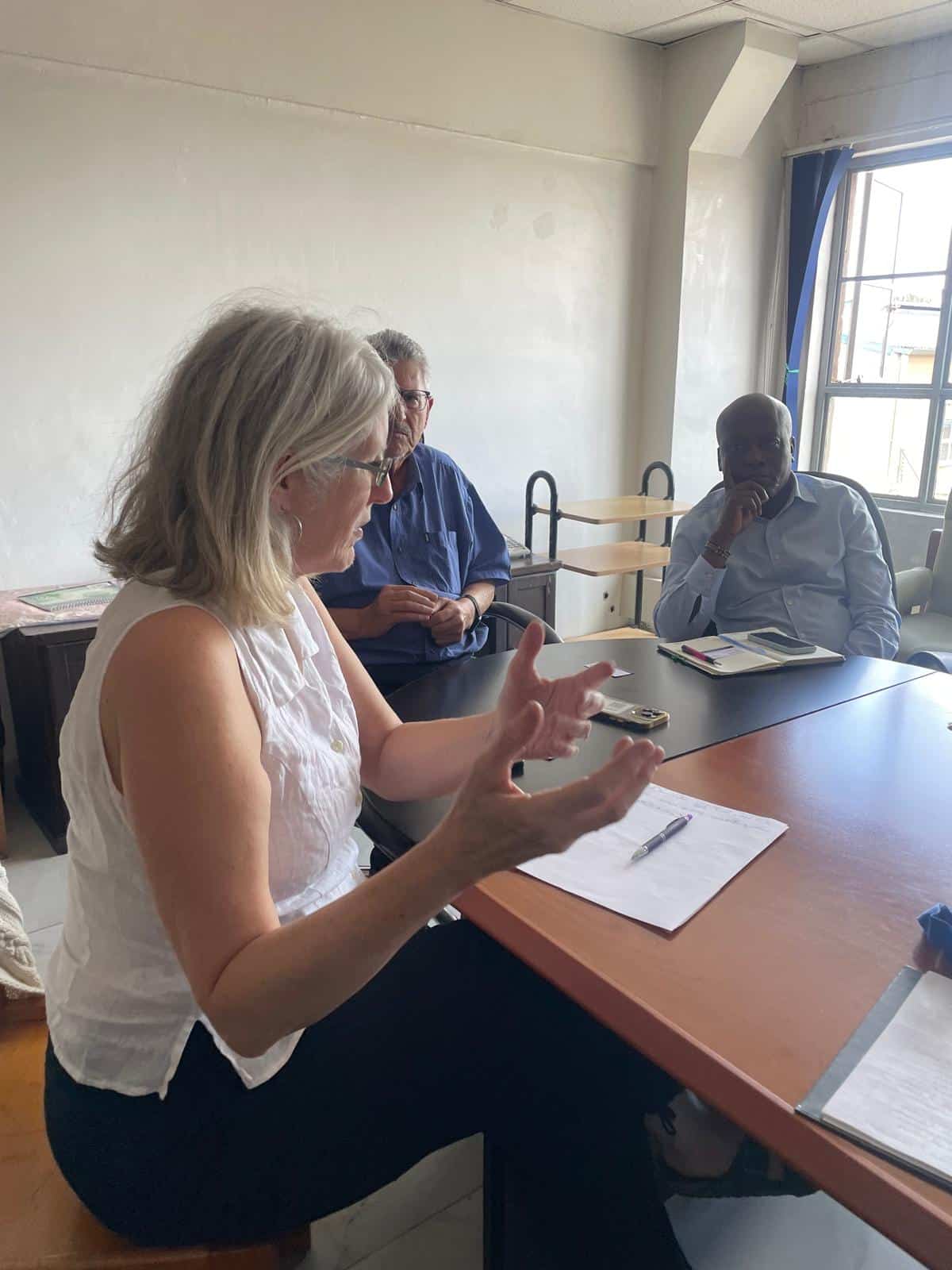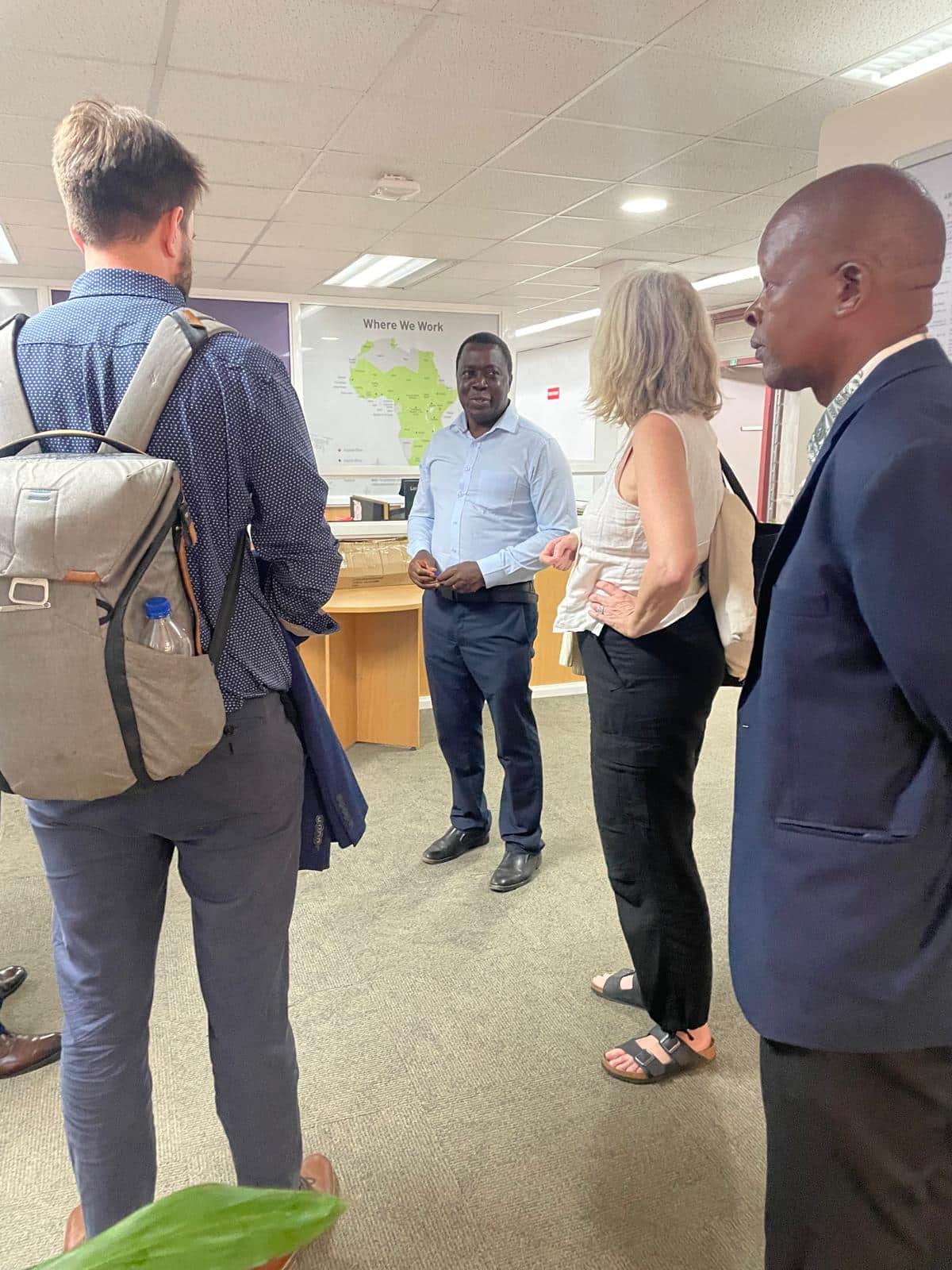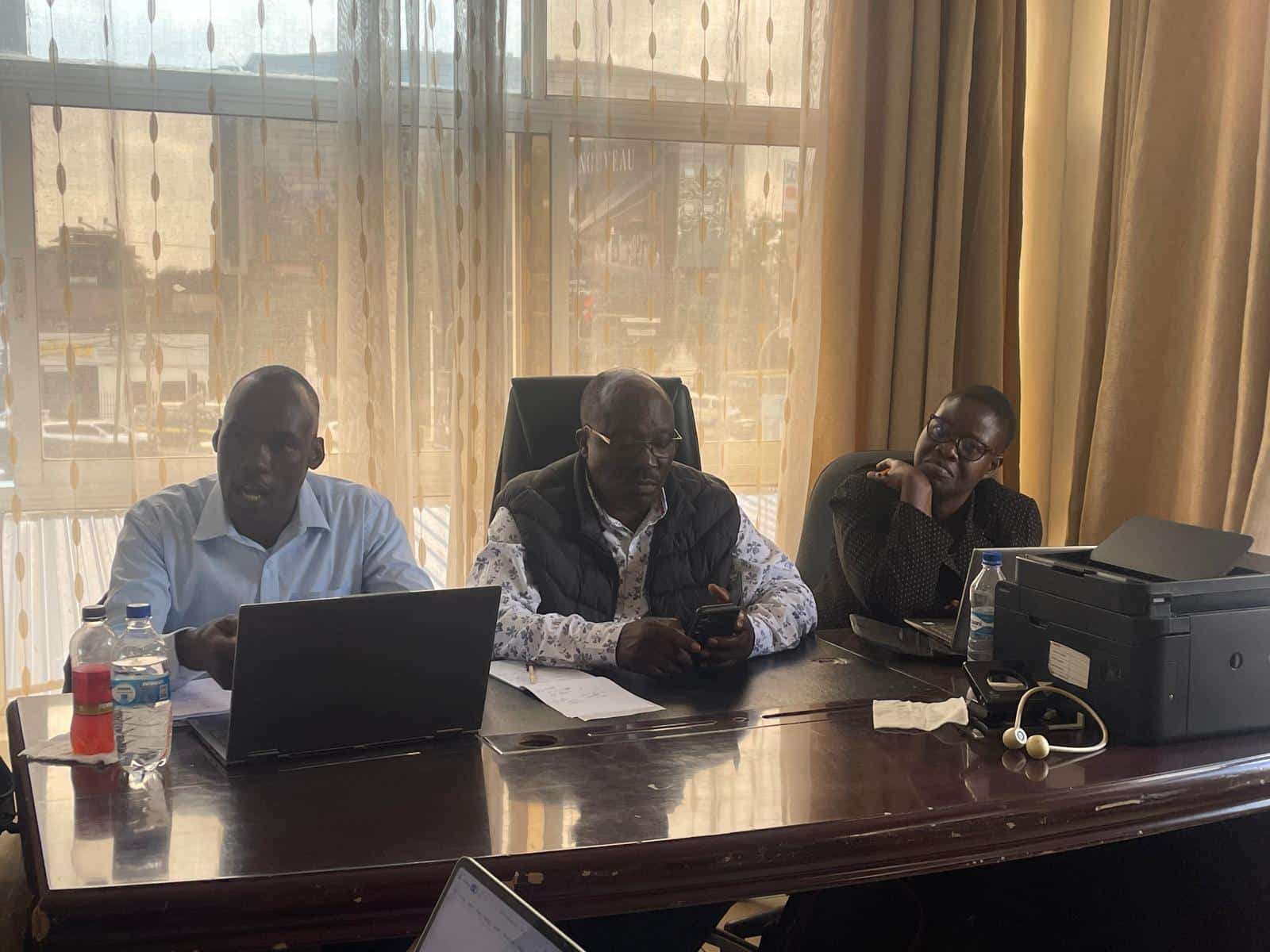
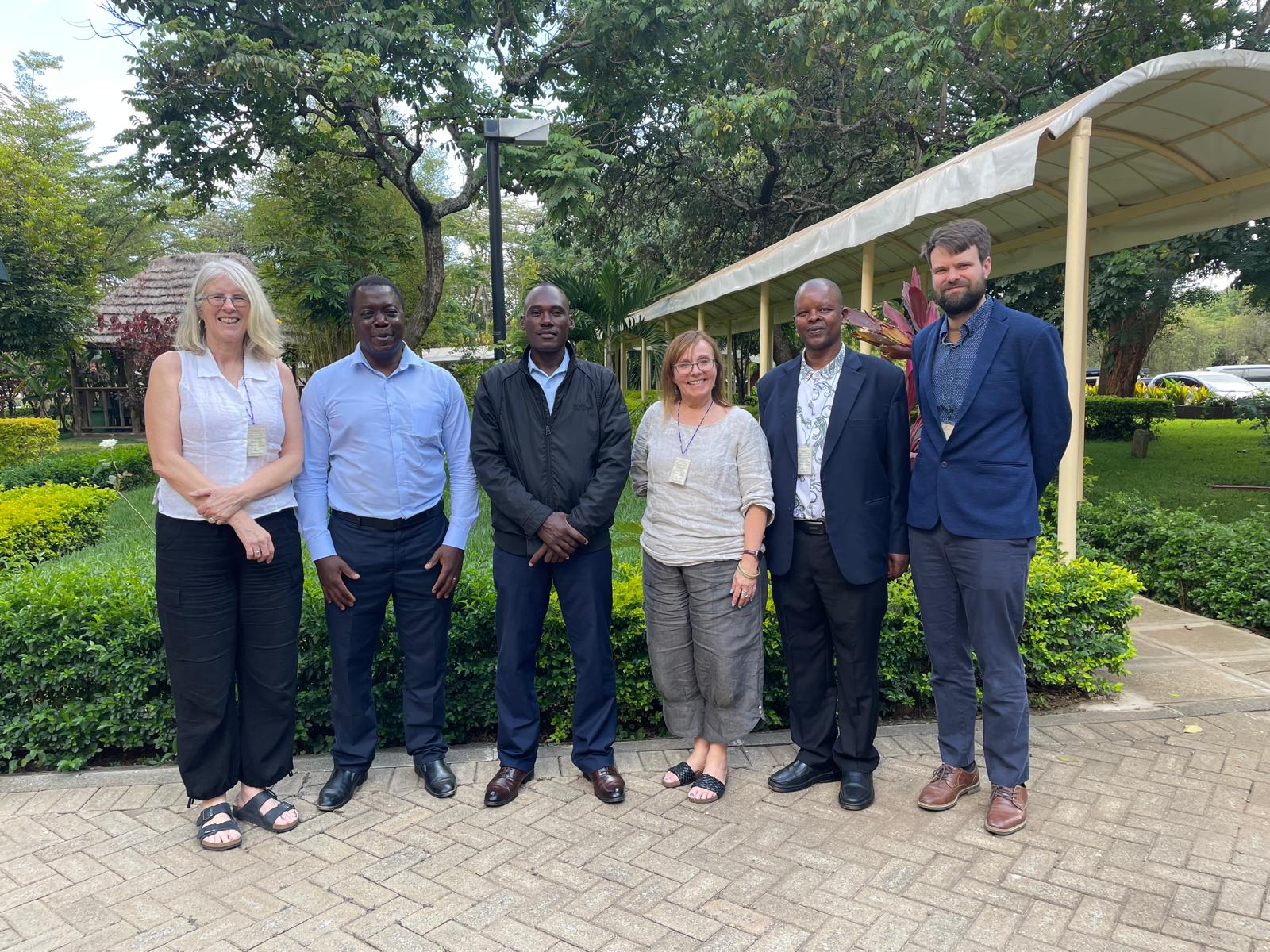
Nairobi, Kenya — January 19, 2026. In the face of intensifying climate shocks and shrinking development budgets, the question is no longer whether agriculture must adapt, but how. During its Monitoring, Evaluation and Learning (MEL) mission to Kenya, Climate Action Africa (CAA) visited PAFID—Participatory Approaches for Integrated Development to examine what climate resilience looks like when gender, technology, and community leadership intersect on the ground.
The second week of the CAA MEL mission began with in‑depth meetings between PAFID and several of its implementing partners, setting the strategic and institutional context for the work. Later in the week, the team travelled to farming communities in Theraka-Niti County to meet local farmers directly, exploring policy discussions and technical insights in lived experience from the field.
What emerged was a nuanced, sometimes uncomfortable, but ultimately hopeful picture of adaptation in practice, one rooted not only in climate-smart technologies, but in social change, persistence, and partnership. This is part 1 a two-part story.
Inside the Climate Action Africa MEL Mission to Kenya, Part 1
PAFID: Nearly Two Decades of Community-Led Action
Founded in 2006, PAFID operates in 27 of Kenya’s 47 counties, positioning it among the country’s most geographically extensive national NGOs. Its work spans conservation agriculture, market access, youth employment, and climate resilience, reaching approximately 100,000 farmers through flagship initiatives such as the Farm to Market Lands Program, a USD 2 million World Food Programme partnership, and the Green Up Kenya initiative. At the organization’s core is a focus on agriculture, gender inclusion, and the role of women and youth in farming, a focus that has become even more critical as climate variability disrupts traditional livelihoods and farming calendars.
Yet like many Kenyan civil society organizations, PAFID is operating in a tightening donor environment. The early withdrawal of a major USAID-funded youth program forced difficult adjustments. Today, the organization is adapting through a leaner, hybrid operating model, while actively seeking new partnerships, particularly with partners in Canada and the UK.
Why CAA and Why Now?
PAFID’s engagement with CAA came at a strategic inflection point. Conservation agriculture with the potential to increase yields by up to 60 percent, had shown promise, but adoption remained stubbornly low across many communities. “The technology wasn’t the problem,” Nickson Wafula, PAFID Programmes Manager, noted during the visit. “The challenge was changing mindsets, norms, and decision-making structures.” Through CAA-supported technical assistance delivered with the Climate Risk Institute (CRI), PAFID sought to deepen its capacity in four critical areas:
- Create an enabling environment for smallholder women farmers
- Operationalizing innovative financing and insurance support
- Improve access to sustainable agricultural mechanization
- Improved M&E exercises
The MEL mission aimed to assess how these investments were translating into real change and where challenges remained.
The Gender Paradox at the Heart of Climate Adaptation
Across meetings with farmers, implementers, journalists, agribusinesses, and researchers, one pattern surfaced repeatedly: women are doing the work but men often hold the decisions.
Men typically attend trainings and public meetings, yet women are the primary implementers of conservation agriculture techniques in the fields. This “participation gap” leaves women with responsibility, but limited authority constraining the pace and sustainability of adoption. PAFID and its partners have begun responding with practical, context-sensitive solutions:
- Joint household trainings that bring spouses together
- Short, one-hour sessions before lunch to accommodate women’s care burdens
- Training-of-Trainers (TTT) models that work directly with women leaders
Still, barriers persist. Some men attend as “moral support” without internalizing technical knowledge. Gender integration is not simply about counting men and women; it’s about understanding their roles and empowerment and seeing real transformation on farms.
Mechanization: A Tool, Not a Silver Bullet
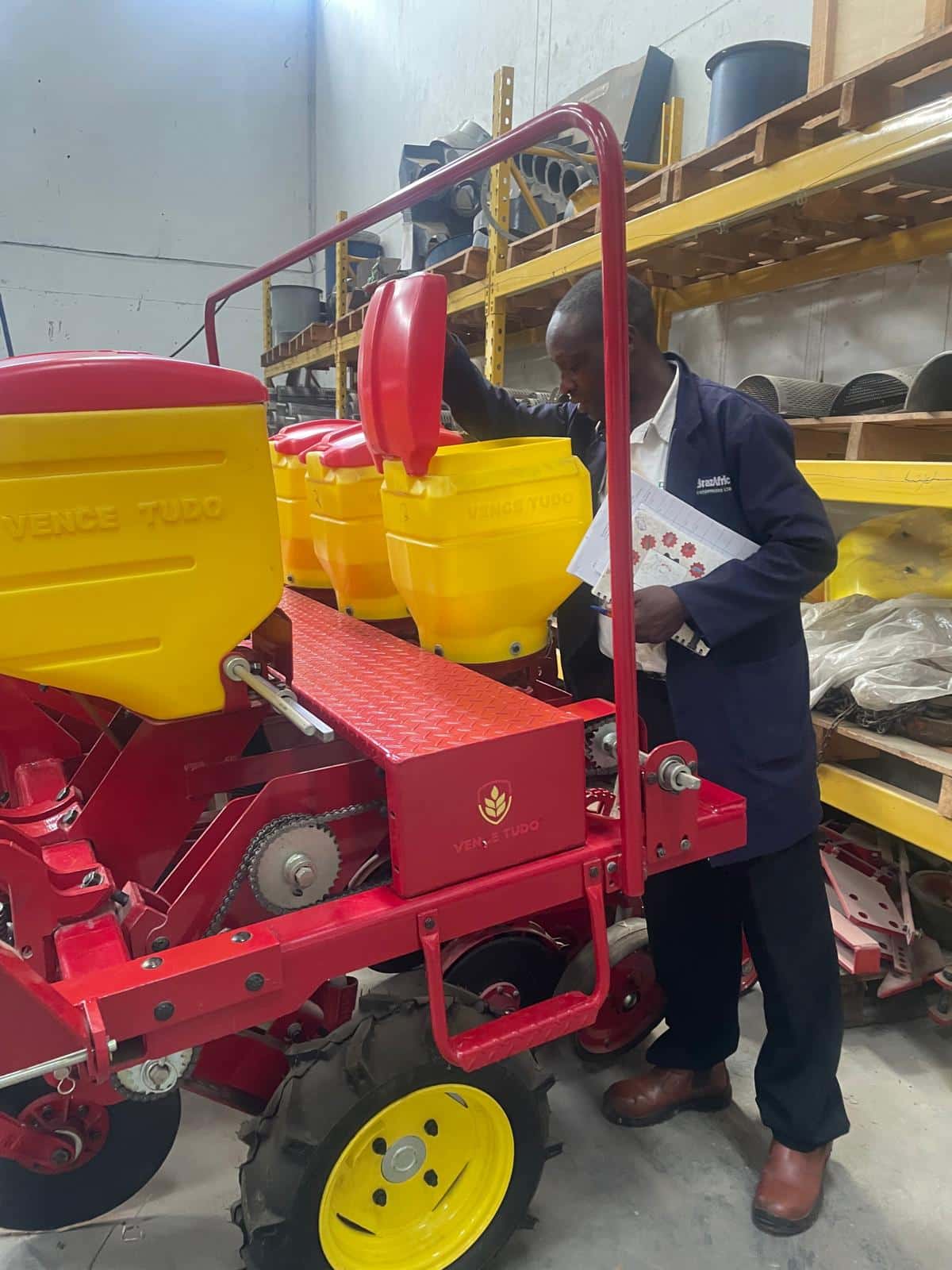
For PAFID’s agribusiness partner BrazziAfric, the promise of mechanization lies in timeliness—a critical factor as rainfall becomes shorter and less predictable. Planters, seeders, and threshers can help farmers act quickly when rains arrive. Yet high costs and limited financing thwart access. And mechanization carries gender risks: when tractors arrive, men often take control of machinery—despite women providing much of the labor. The solution, partners agreed, lies not just in equipment, but in socializing innovation: shared ownership models, community dialogue, and intentional inclusion of women in decision-making around technology. Or, as Marcos Roberto Garin Brandalise – C.E.O at BrazAfric, commented, “Mechanization is not a panacea—it’s part of a journey toward food security.”
Evidence, Patience, and the Long View
PAFID’s partnerships with researchers have strengthened evidence generation, demonstration sites, and adaptive learning within the Conservation Agriculture Hub, a growing network of nearly 180 organizations. But perhaps the most resonant insight from the MEL mission was a reminder about time. “Farmers need timely operations. When rains come once and unpredictably, you must be ready,” the Boaz Waswa – Soil Fertility Specialist, Agrobiodiversity Leader explained. “But real transformation also needs three to four years of continuous engagement. Projects are too short to change systems.”
Looking Ahead
The CAA MEL mission to Kenya did not reveal simple solutions but it did surface grounded, actionable lessons: climate adaptation is social as much as technical; gender inclusion is foundational, not optional; and progress depends on trust, evidence, and persistence.