As Africa’s largest economy and second-highest emitter, Nigeria can play a significant role in achieving the Paris Agreement’s goals. The country’s updated commitments to the Paris Agreement, submitted to the UNFCCC on 30 July 2021, raise its ambition inclusively, demonstrating that it understands its role as a global and continental model. Building on this momentum, with support from 2050 Pathways, Nigeria has also developed a vision for 2050 that will form the basis for a Long-Term Low-Emission Development Strategy that captures deeper emission reductions further into the future.
In alignment with these objectives, the Paris Agreement (PA) calls for larger-scale strategies to achieve the Nationally Determined Contribution (NDC) targets. Responding to this call, Nigeria has developed a new National REDD+ Strategy -Reducing Emissions from Deforestation and Degradation and Enhancement of Carbon Stocks (REDD+) Strategy and a National Forest Policy, including a National Forest Investment Plan.
Climate Action Africa’s Monitoring and Evaluation Mission
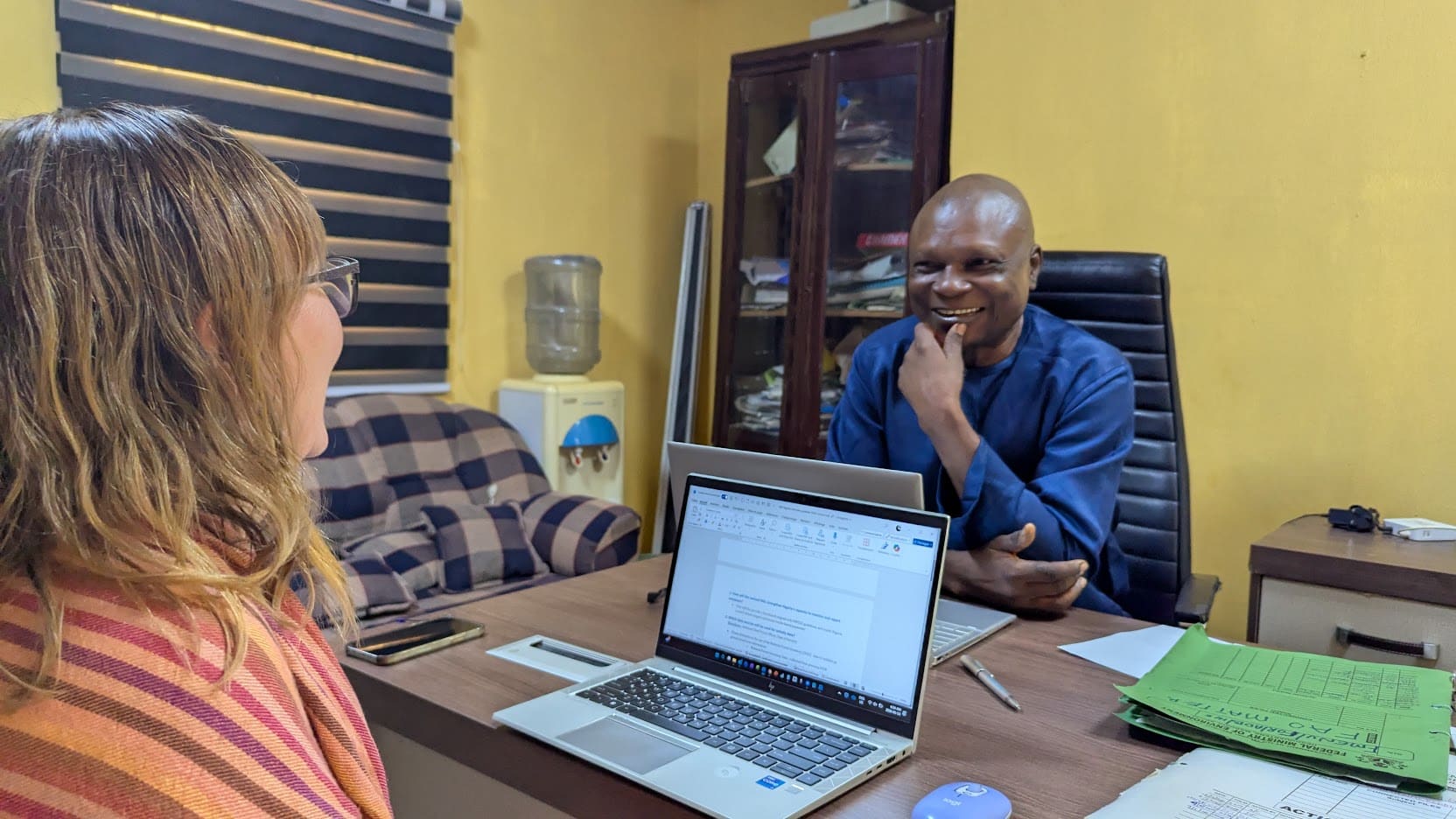
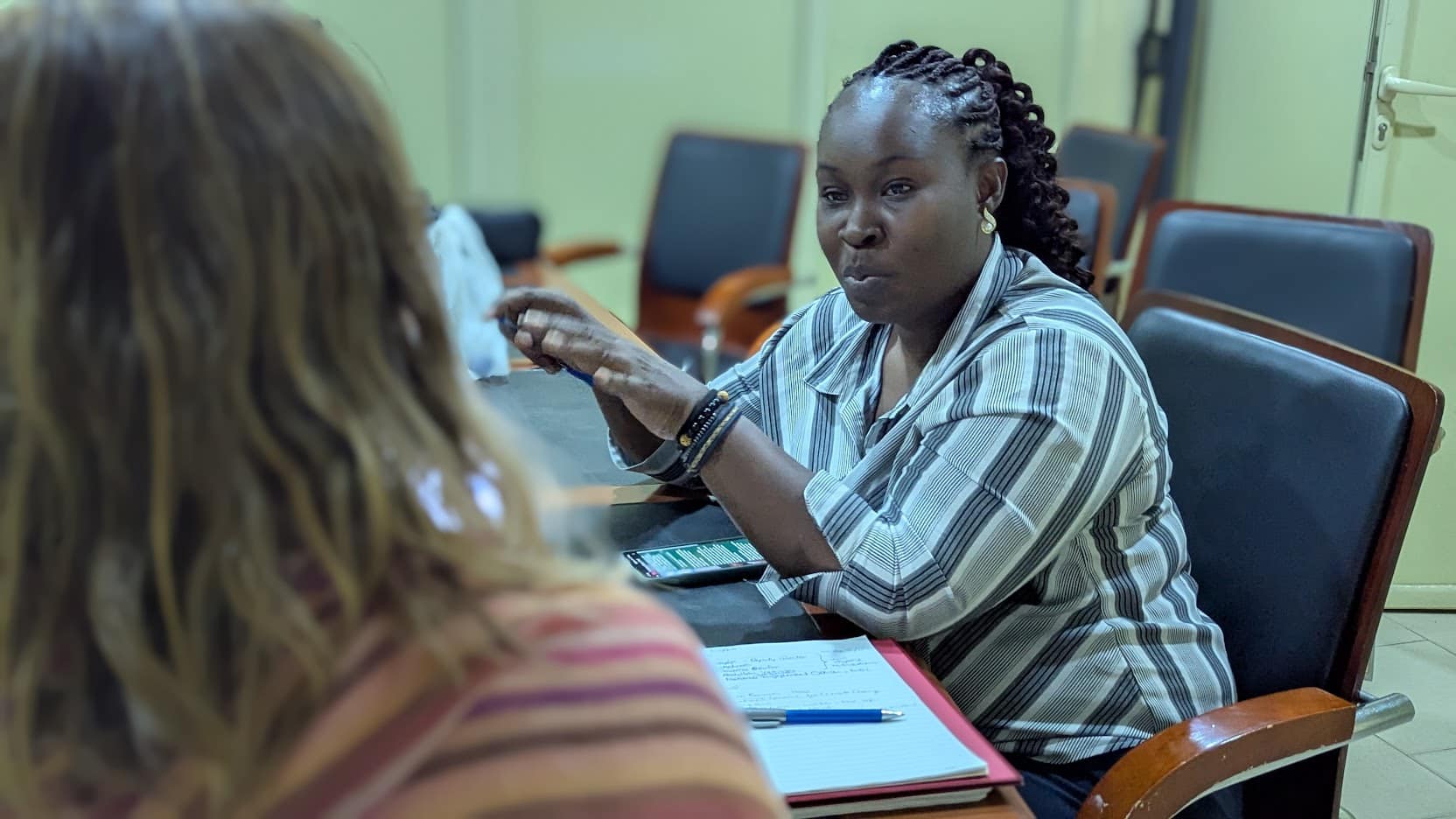
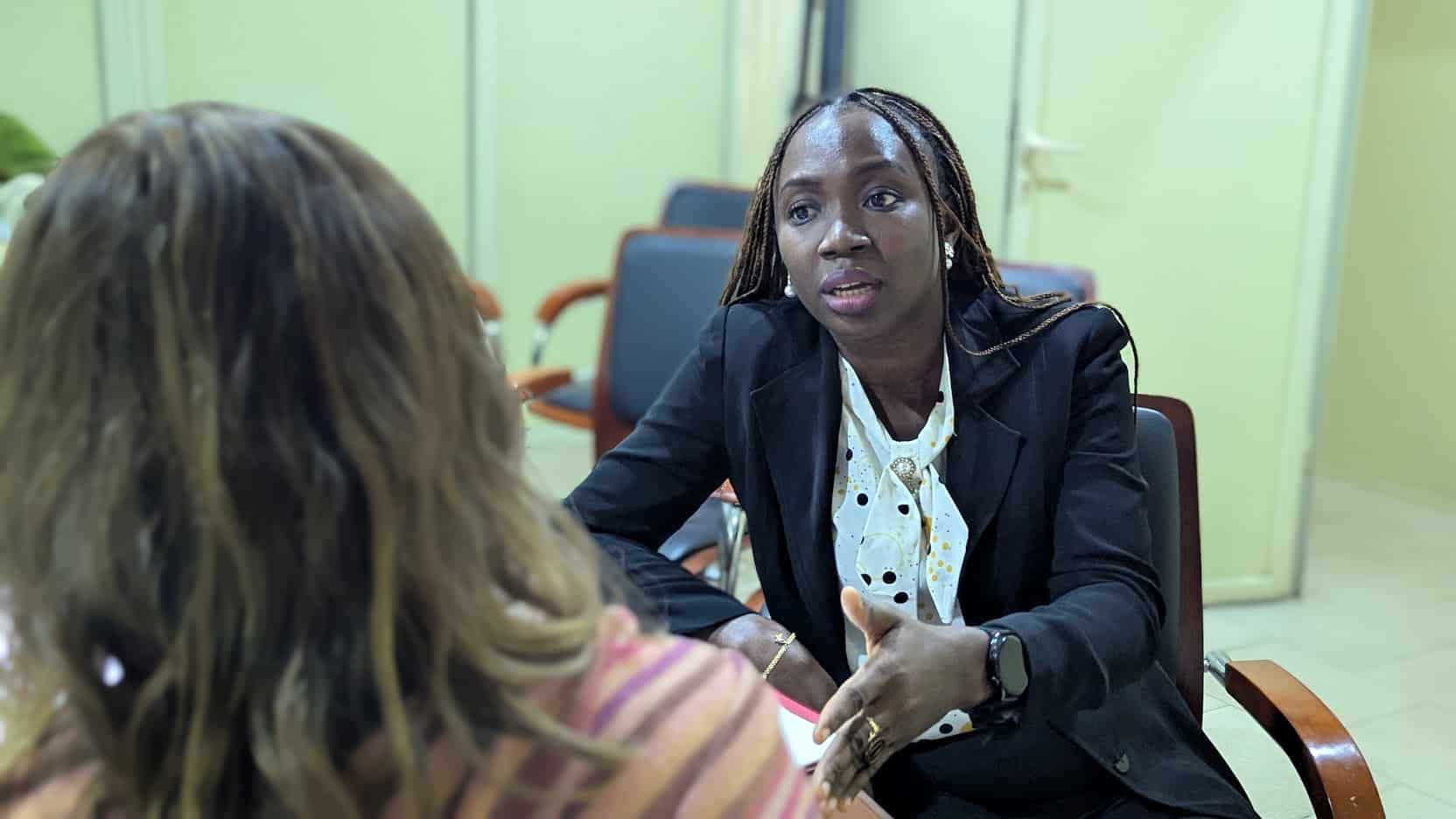
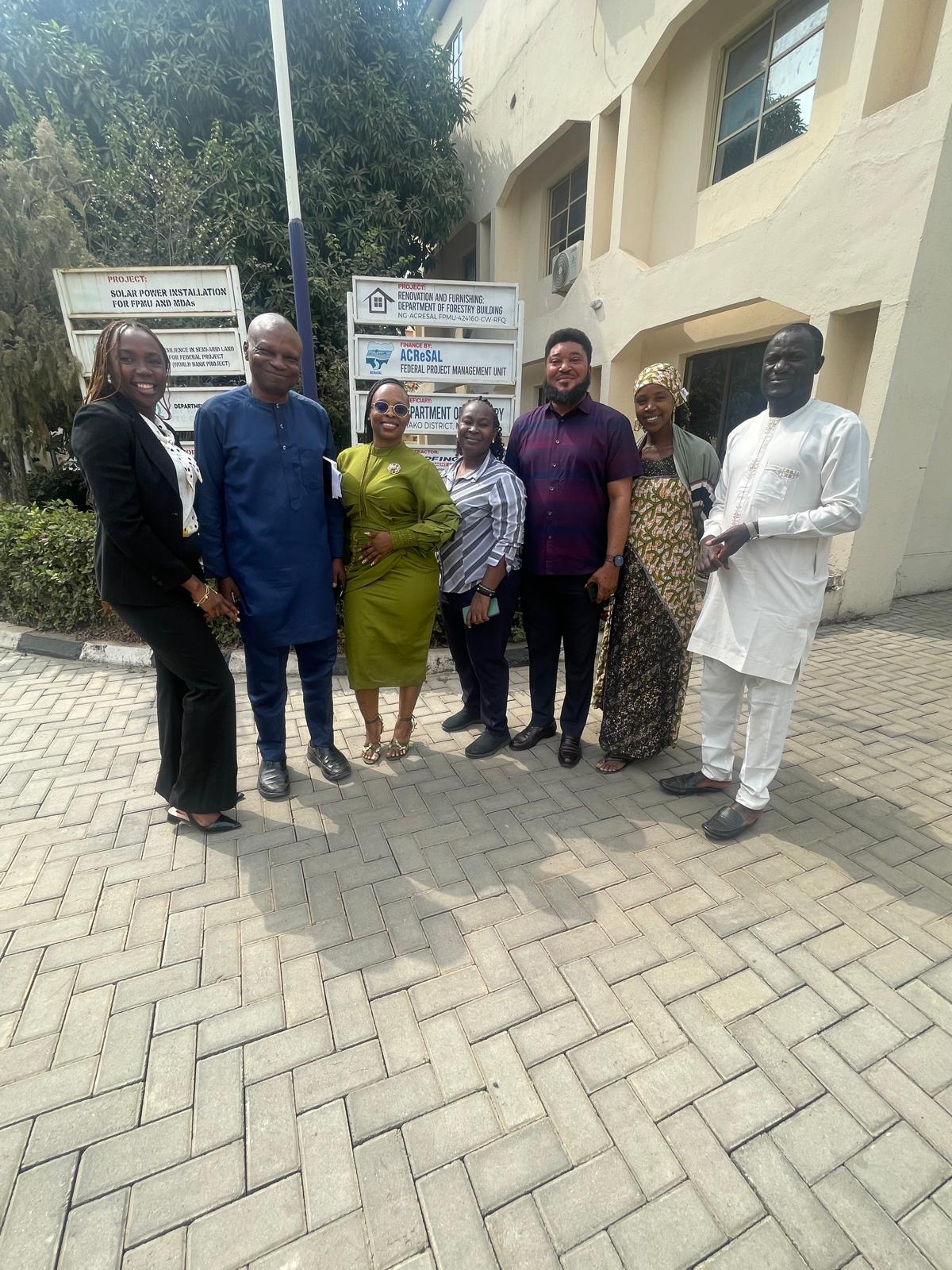
January 14, 2026 – Abuja, Nigeria. On the third day of the MEL Mission in Nigeria, the team met with the Ministry of Environment’s Federal Department of Forestry for a focus group discussion and interviews. The goal? To understand how short-term technical assistance has helped Nigeria strengthen its climate strategy and meet its commitments under the Paris Agreement.
Why “FREL” Is a Big Deal for Nigeria
The Forest Reference Emission Level (FREL) is not just a technical benchmark—it’s a game-changer for climate governance. Nigeria’s revised FREL provides a scientifically robust baseline for measuring emissions from deforestation and forest degradation. According to Christopher Oyanoghafo, Deputy Director at the Department of Forestry, this updated FREL aligns Nigeria with UNFCCC guidelines and IPCC standards, enabling the country to access future results-based payments under REDD+. The improvements are striking with coverage expanded from 1,215 grid areas to over 7,419, incorporating forest degradation for the first time. This means Nigeria can now report emissions with greater accuracy and transparency—a critical step toward meeting its NDC targets and unlocking carbon finance opportunities.
Mapping Land Use and Land Cover: The Data Revolution
Behind every climate strategy lies data. Nigeria’s success with FREL revision is rooted in its innovative approach to land use and land cover mapping. Ebunoluwa Ajagun, Assistant Chief Forest Officer, explained how the National Forest Inventory (2022) was combined with remote sensing technologies to create detailed maps of Nigeria’s forests, farmlands, and water bodies.
With the support of the CAA technical assistance, , the team tracked historical changes in forest cover and land use using satellite imagery and drones. Global datasets like Hansen Global Forest Change were integrated to monitor deforestation trends. A sample-based estimation method was adopted, with grids spaced 11.2 km apart and over 400 plots assessed per data collector—covering the entire country. This approach ensures that Nigeria’s land-use data is not only comprehensive but also future-proof for monitoring reforestation and land-use changes.
Crucially, Nigeria relied on national data rather than default IPCC emission factors, tailoring methodologies to local realities while maintaining global standards. This refinement enhances accuracy and credibility in reporting.
Gender Inclusion: Women at the Heart of Climate Action
Climate action must be inclusive. Chioma Okafor, Principal Scientific Officer, highlighted that women represented 30–40% of participants in the FREL revision process. They were involved in data collection, field validation, and technical training—breaking barriers in a sector traditionally dominated by men. Despite cultural norms limiting women’s participation in fieldwork, the project made significant strides in promoting gender equity. “If you train a woman, you train a nation,” Ms. Okkafor said, underscoring the impact of empowering women in climate governance.
From Validation to Submission: A Collaborative Effort
Finalizing and submitting the revised FREL to the UNFCCC Secretariat was no small feat. Mr. Abdullahi Yakubu, Principal Forest Officer, described a process marked by rigorous technical reviews and stakeholder consultations. Feedback from workshops led by Landell Mills Consulting team was incorporated into the final report, ensuring transparency and ownership across all levels. Looking ahead, the Department of Forestry aims to become a hub for quality data collection and smart forestry governance. Access to carbon markets and finance mechanisms will be key to sustaining these gains.
Challenges and Opportunities
While progress is evident, challenges remain. Nigeria has yet to fully benefit from carbon credits, and implementing a comprehensive communication strategy for stakeholder engagement is still in progress. Limited funding previously slowed progress, but recent technical assistance has been a “lifesaver,” enabling Nigeria to overcome bottlenecks and accelerate climate action. Nigeria’s experience shows how targeted technical assistance can catalyze systemic change. By strengthening data systems, promoting gender inclusion, and aligning methodologies with global standards, the country is better positioned to meet its climate commitments and unlock carbon finance opportunities.
About the requesting organization: The Federal Department of Forestry, the Federal Ministry of Environment, and the government of Nigeria play a central coordinating and policy-making role as the designated authority for environmental conservation and protection in the country. It is the Department responsible for providing guidance and ensuring that there is a precise alignment of policies and international obligations when it comes to climate change. The Federal Department of Forestry and the Federal Ministry of Environment lead and were supported by other lines of Ministries and Government agencies, namely the Department of Climate Change, the Federal Ministry of Agriculture and Food Security, the National Space Research and Development Agency and the Cross River State Forestry Commission.
About Climate Action Africa (CAA) – funded by Global Affairs Canada and implemented by Alinea International, Econoler, and WSP, CAA continues to work alongside African governments to advance inclusive, evidence-based climate solutions. Together, with the technical teams and government partners, CAA delivers targeted assistance helping to build a future where climate action leads sustainable development across Sub Saharan Africa.