CAA Final Closing Event
What does addressing climate change through Canada’s International Assistance look like in practice?
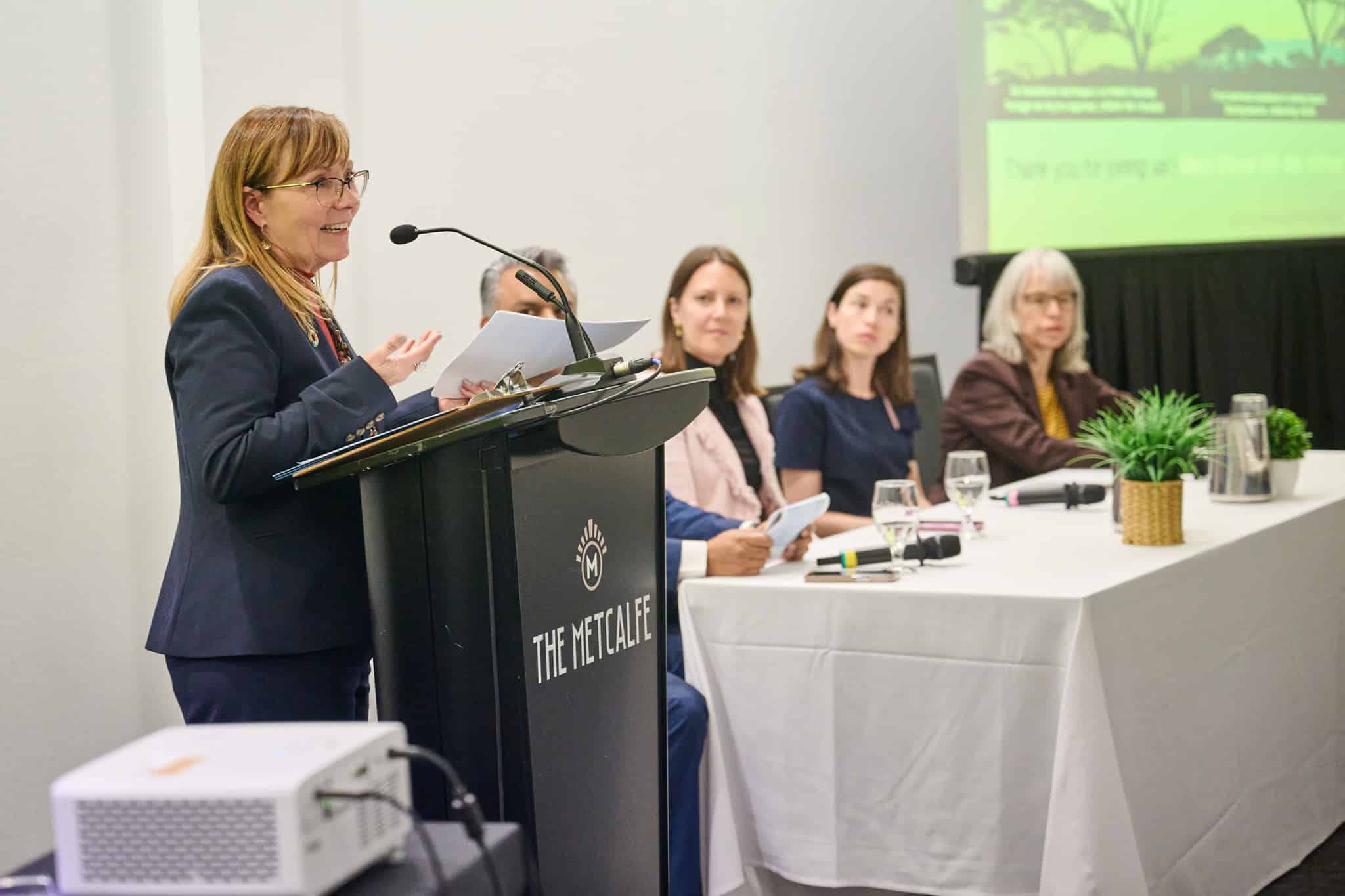
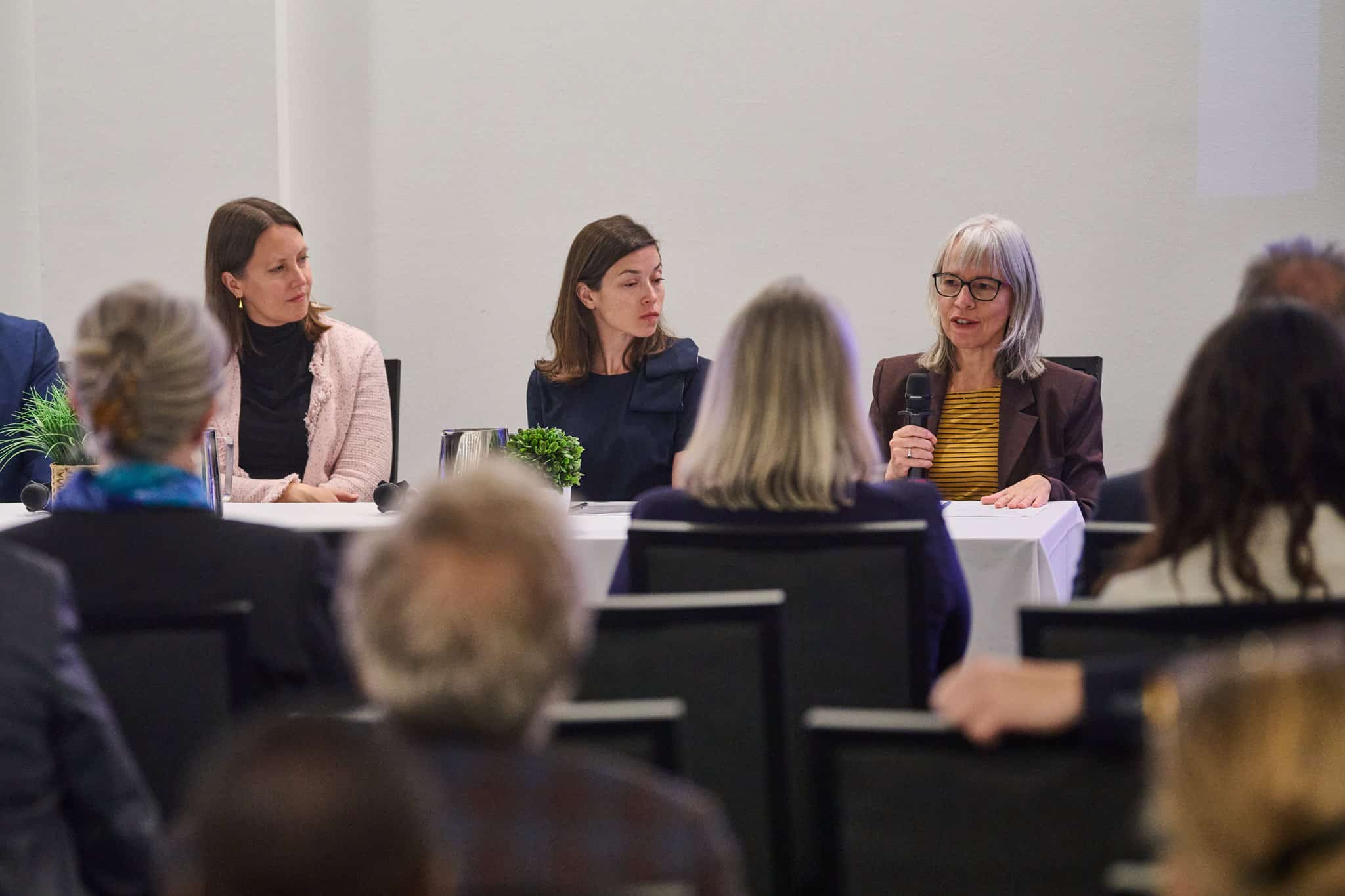
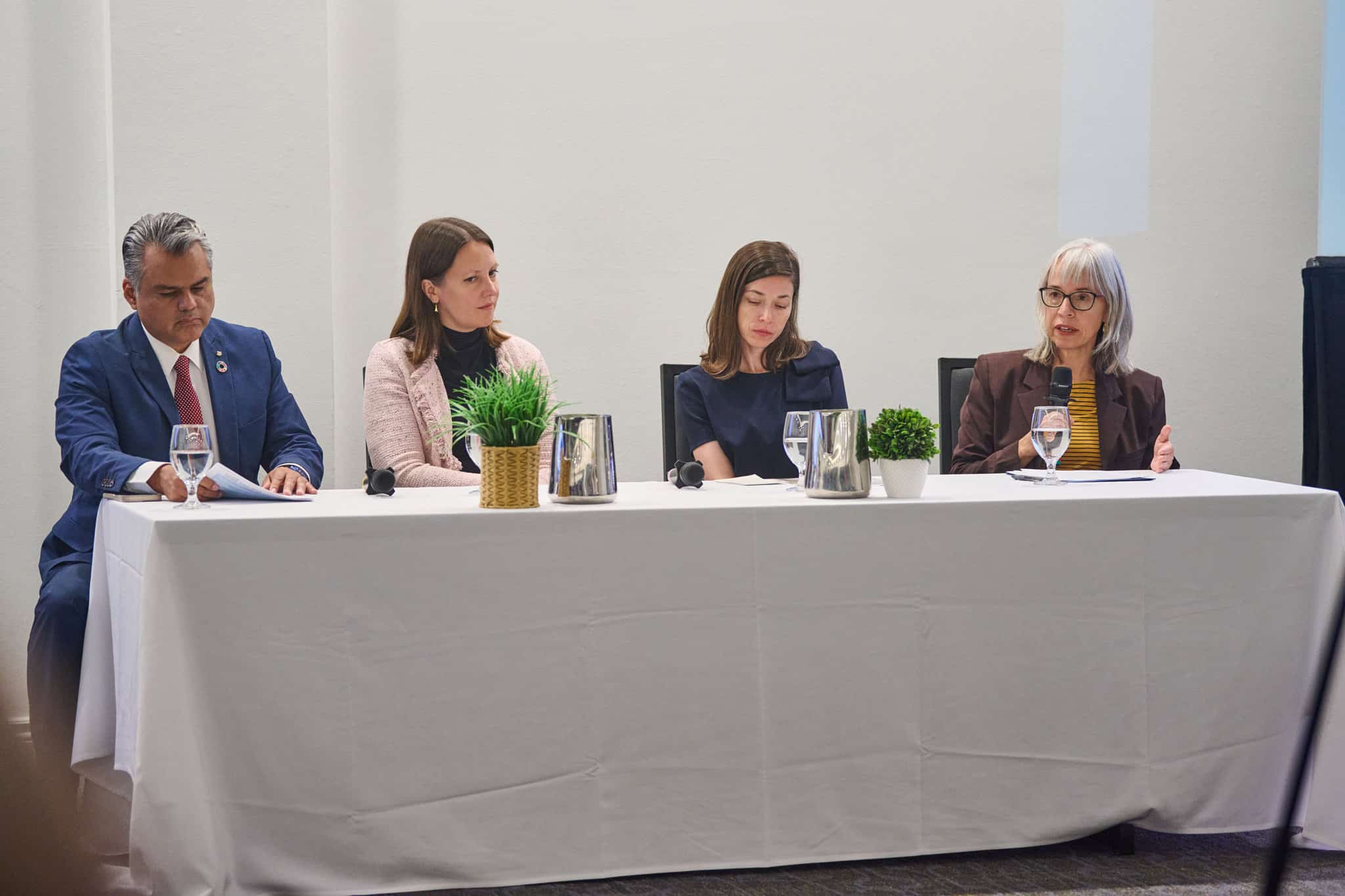
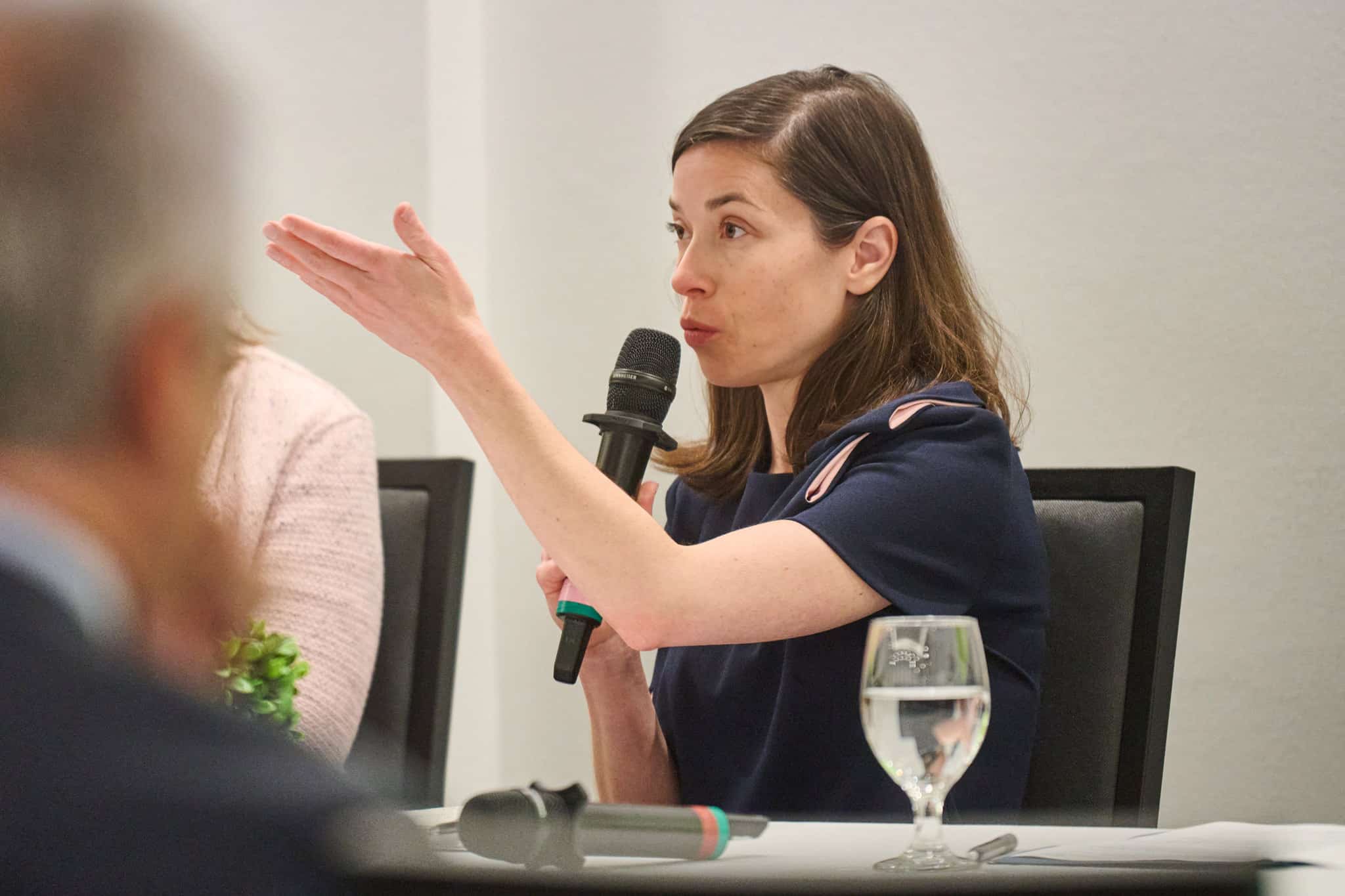
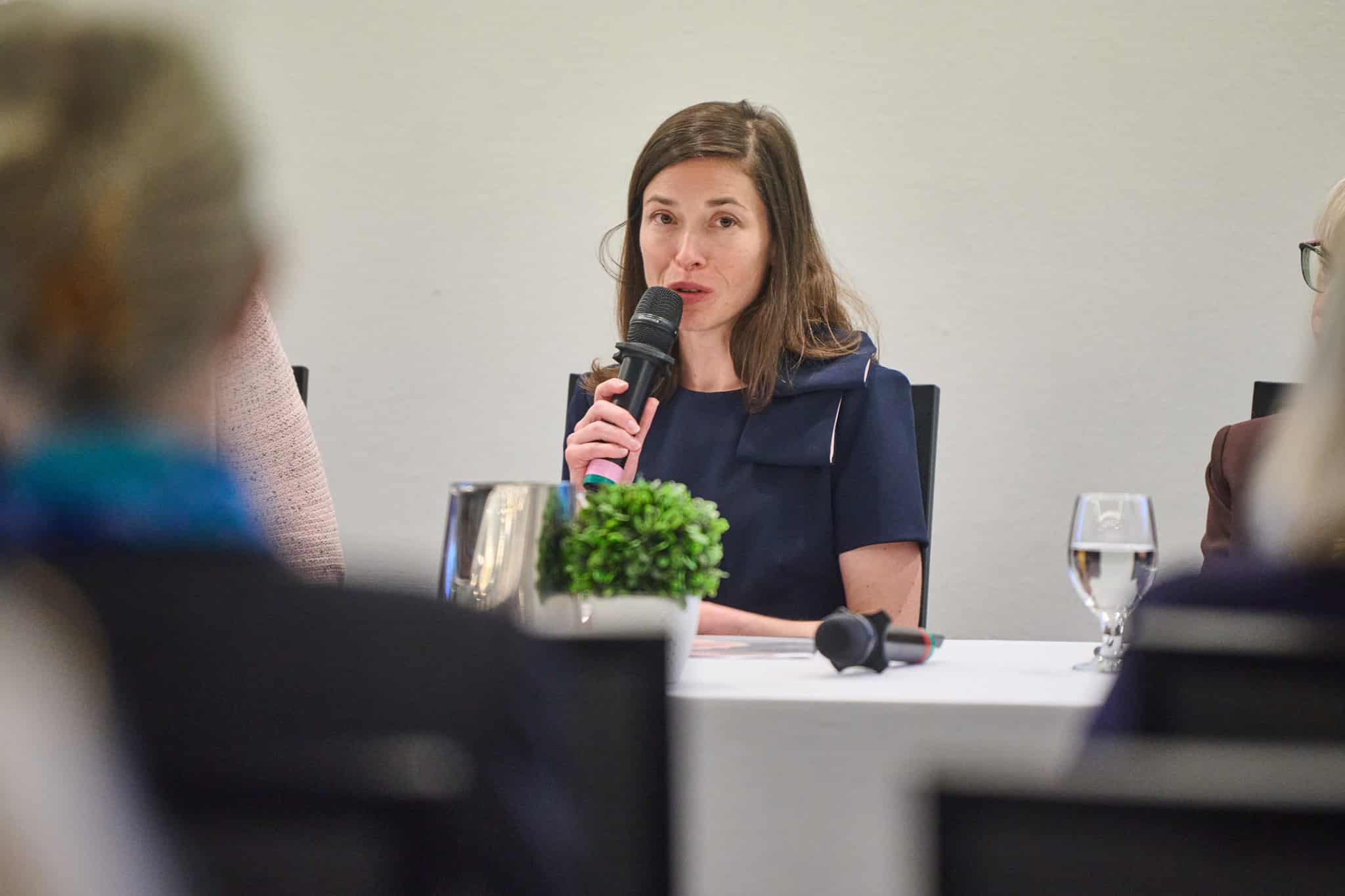
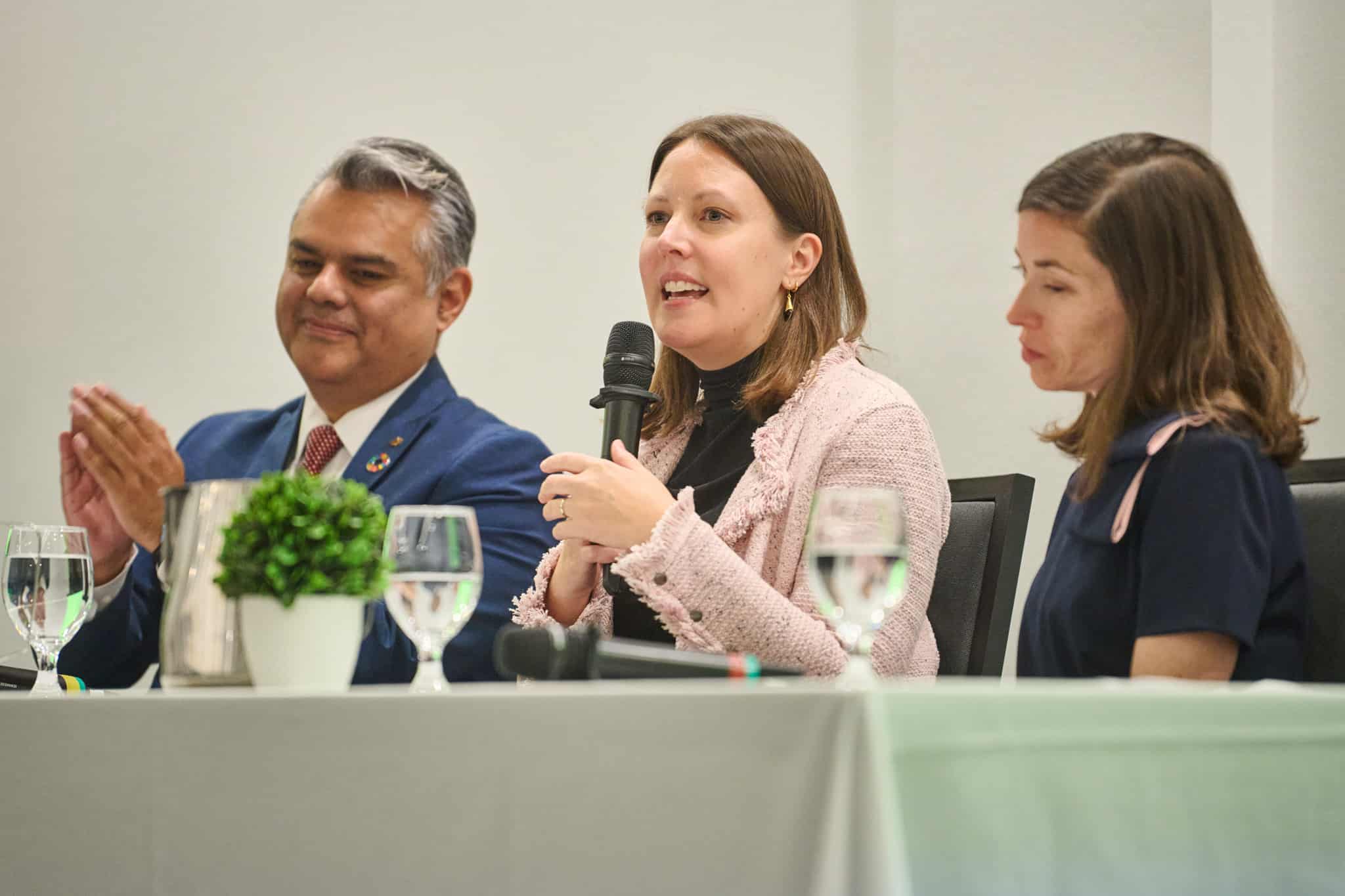
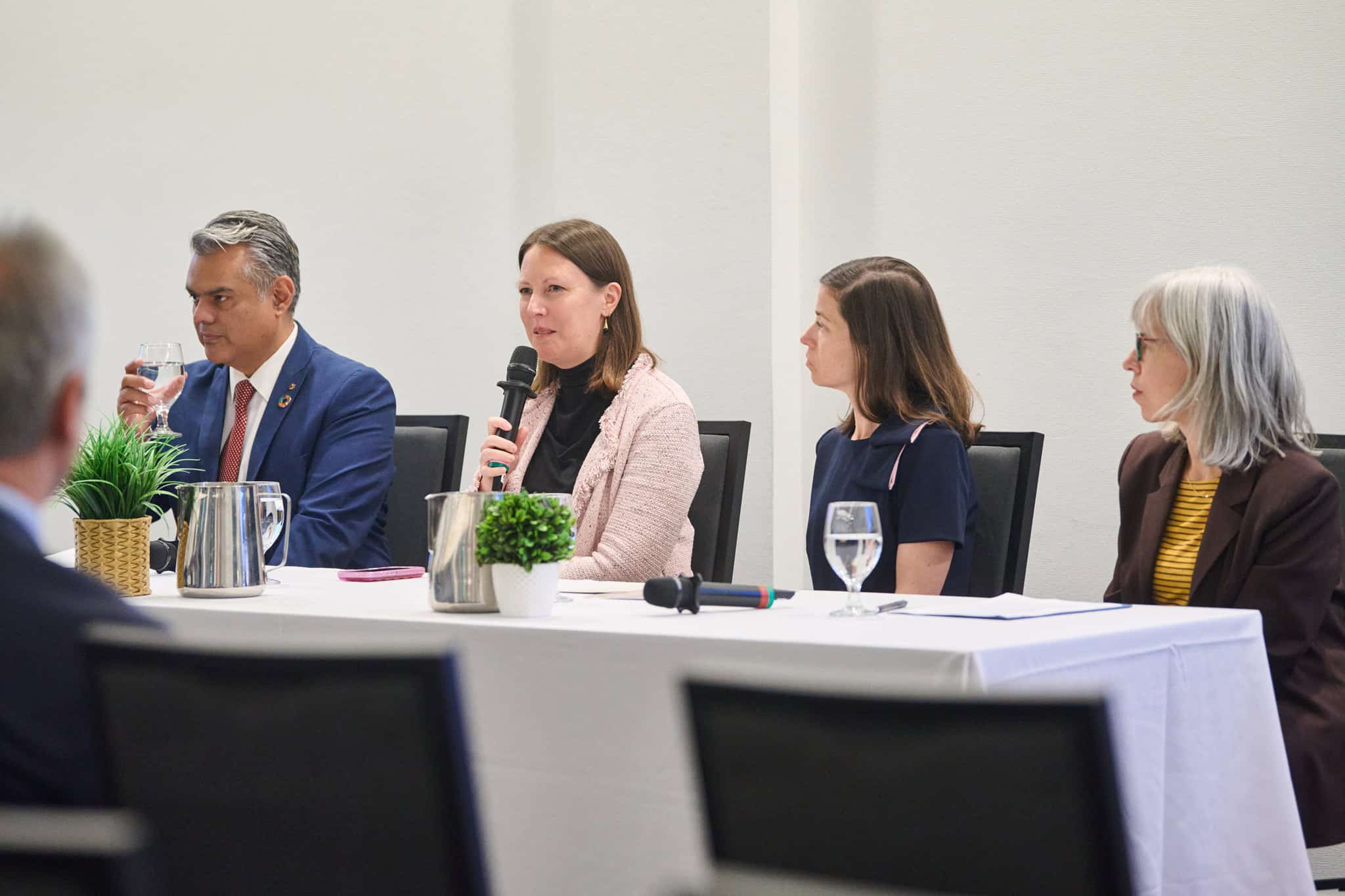
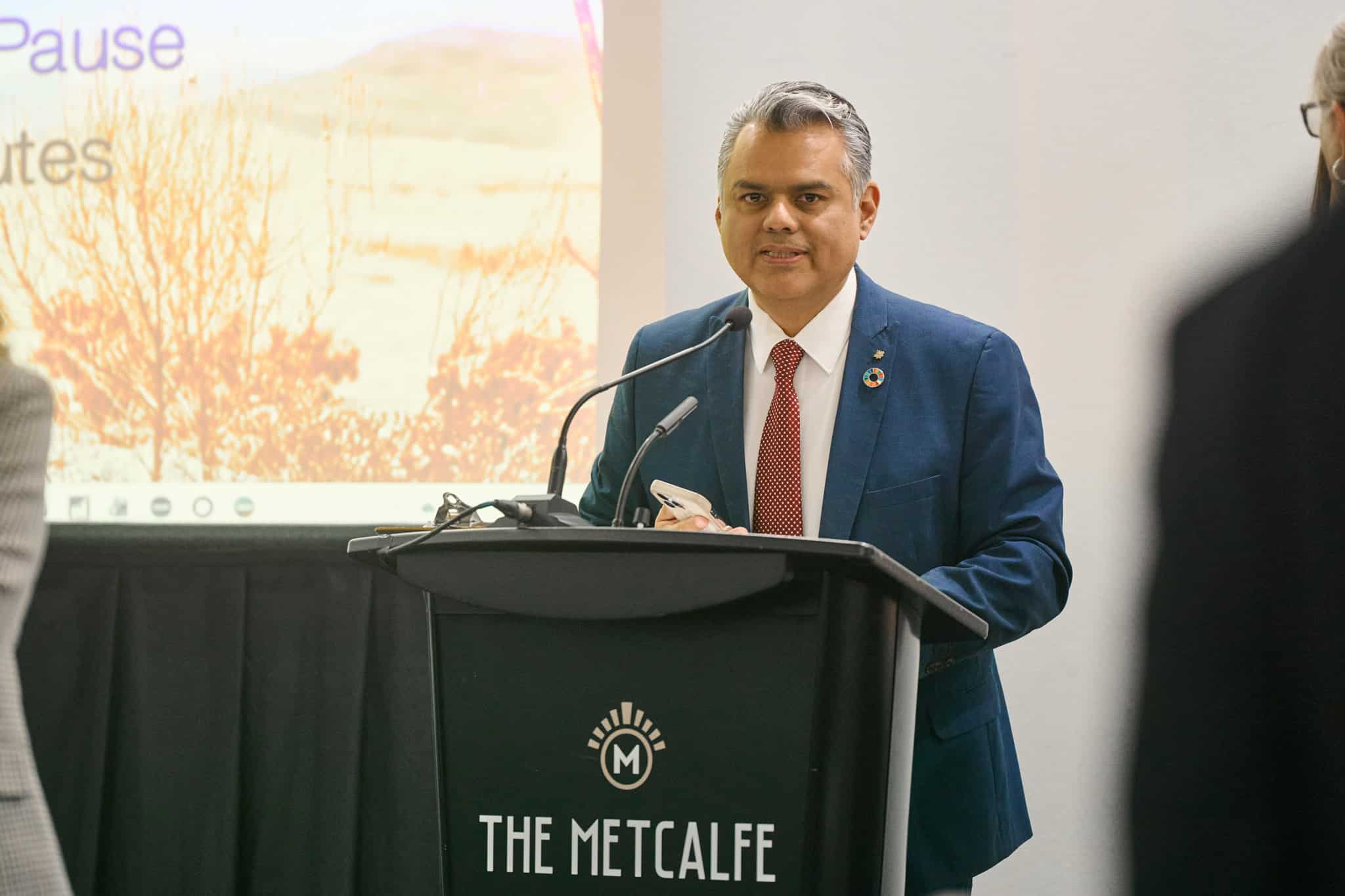
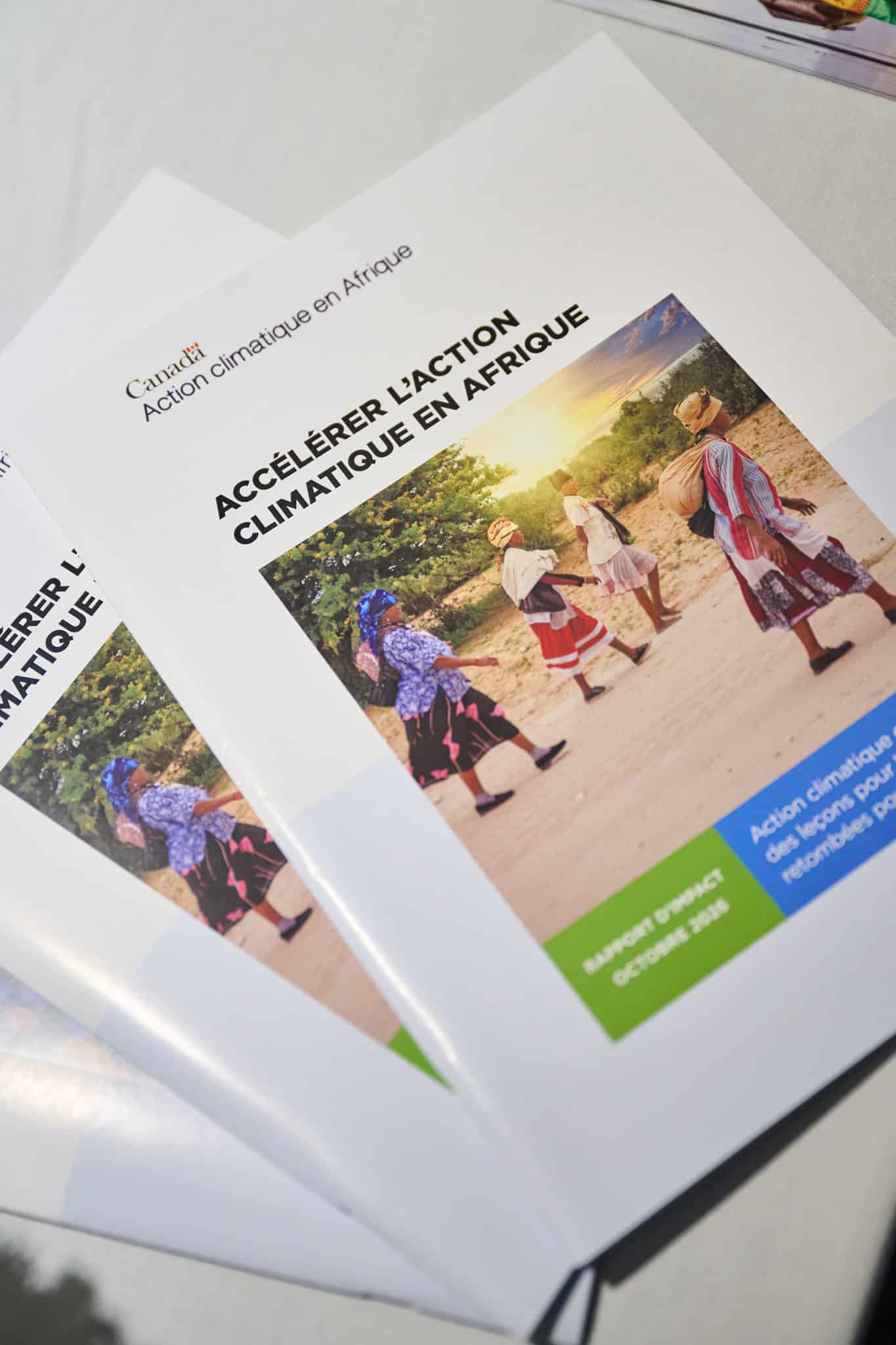
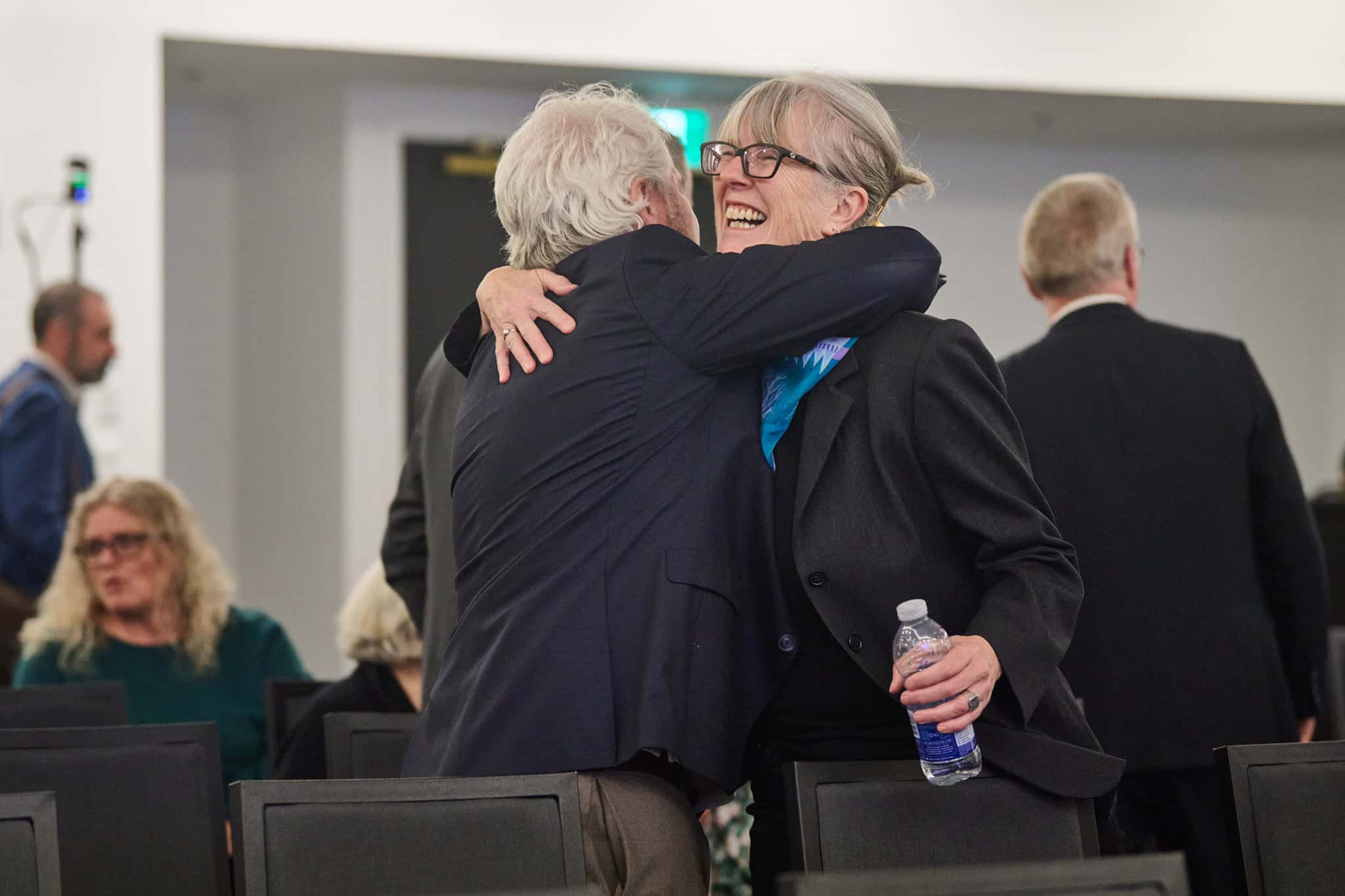
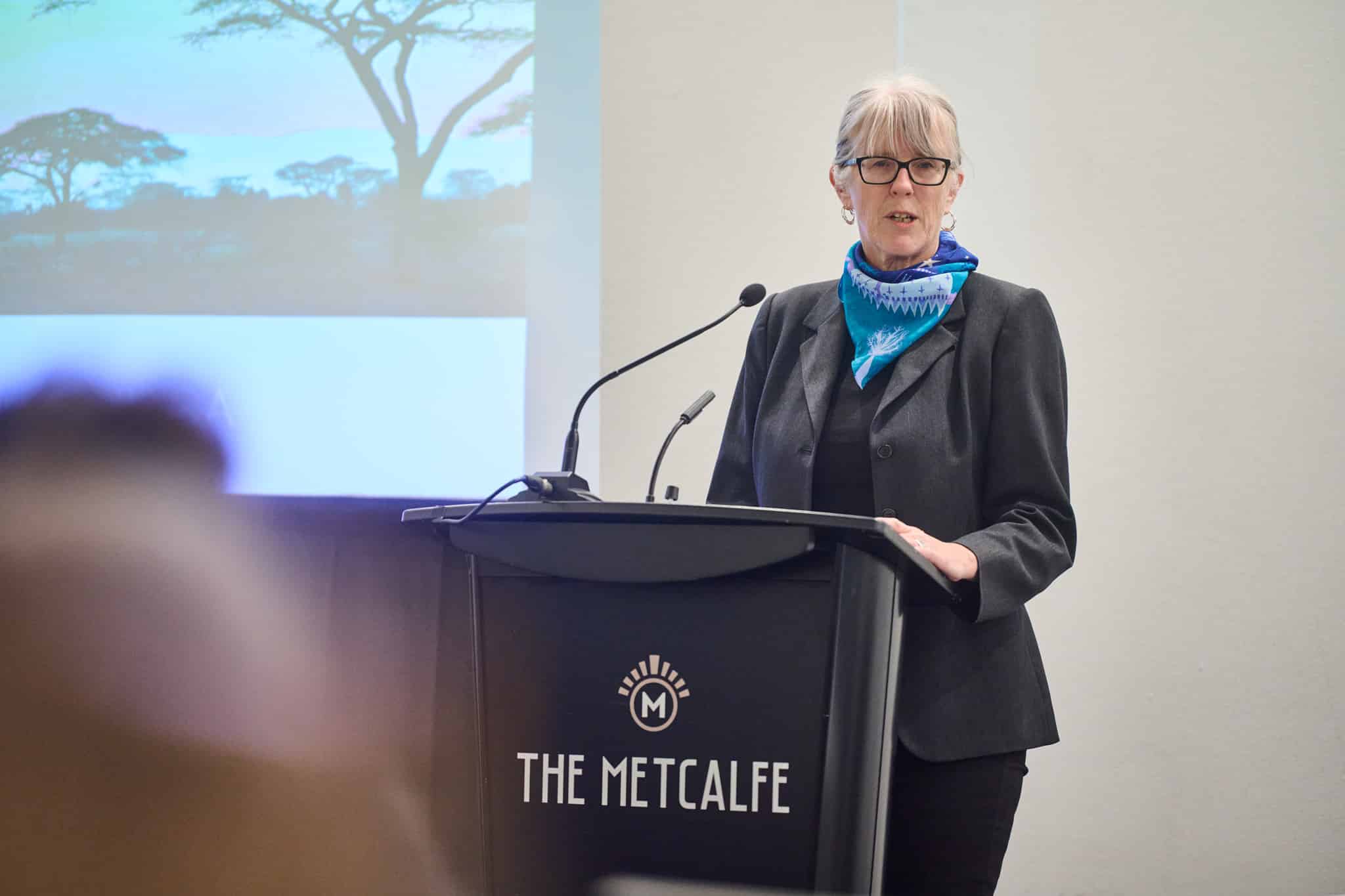
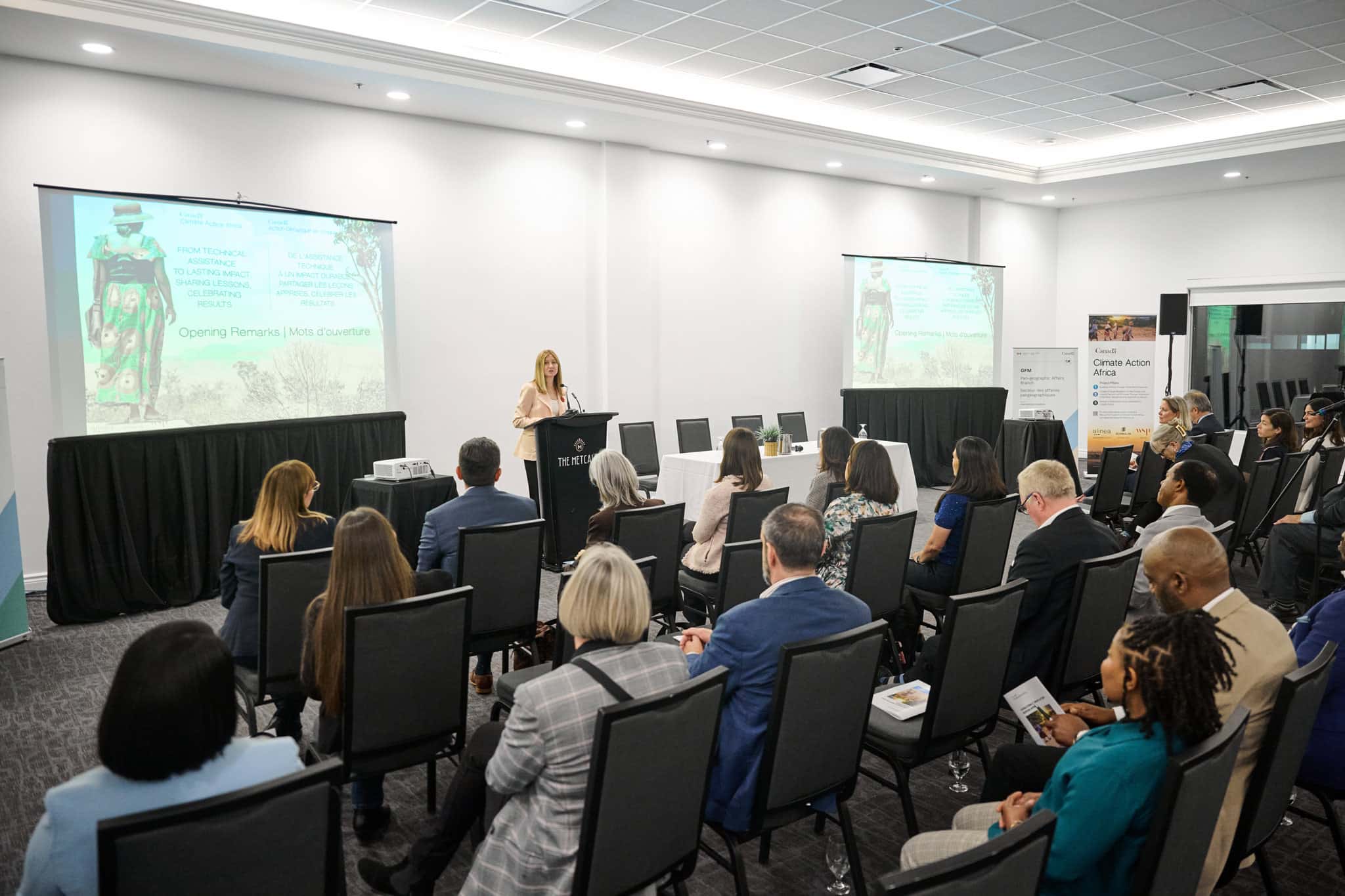
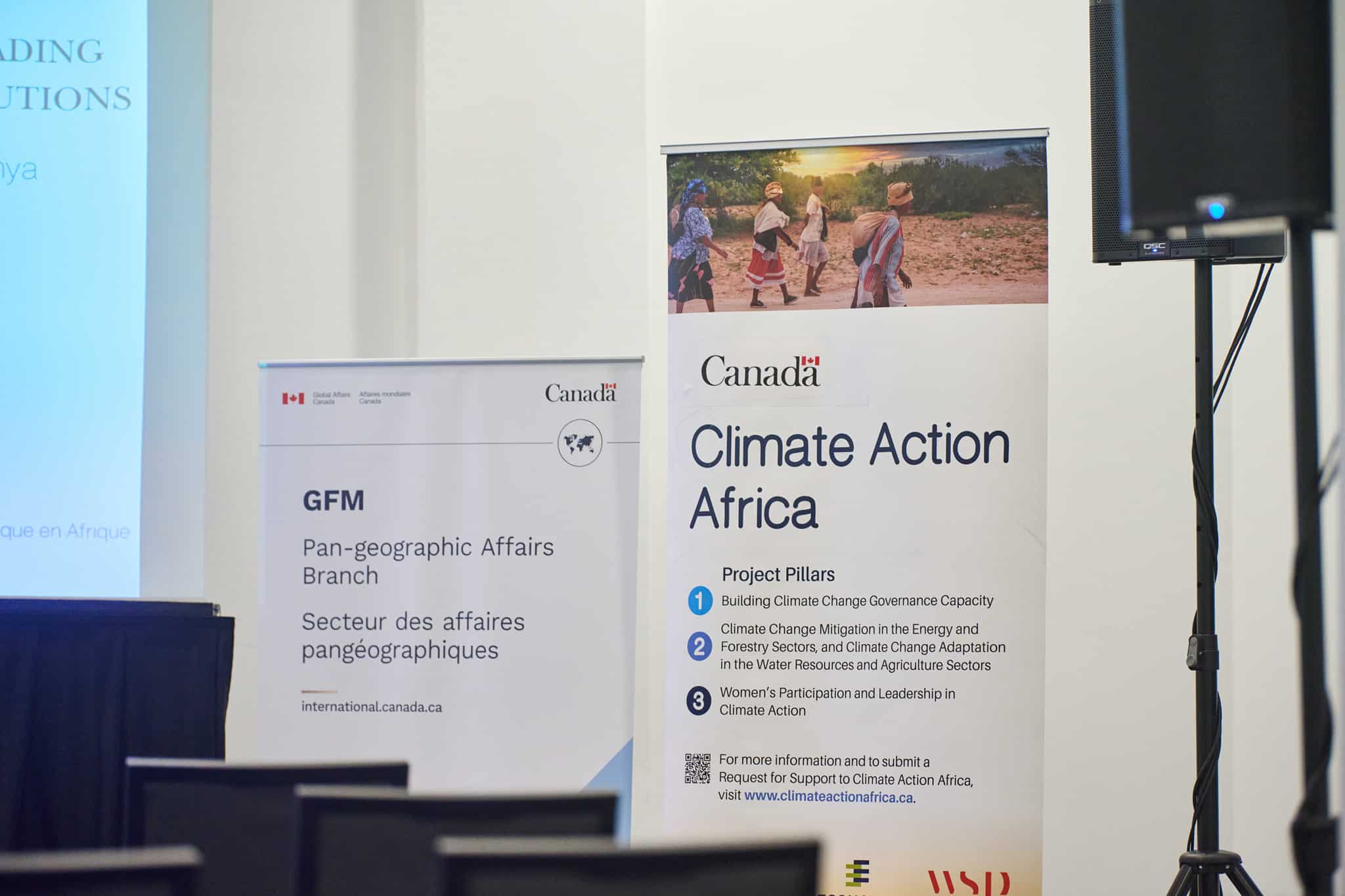
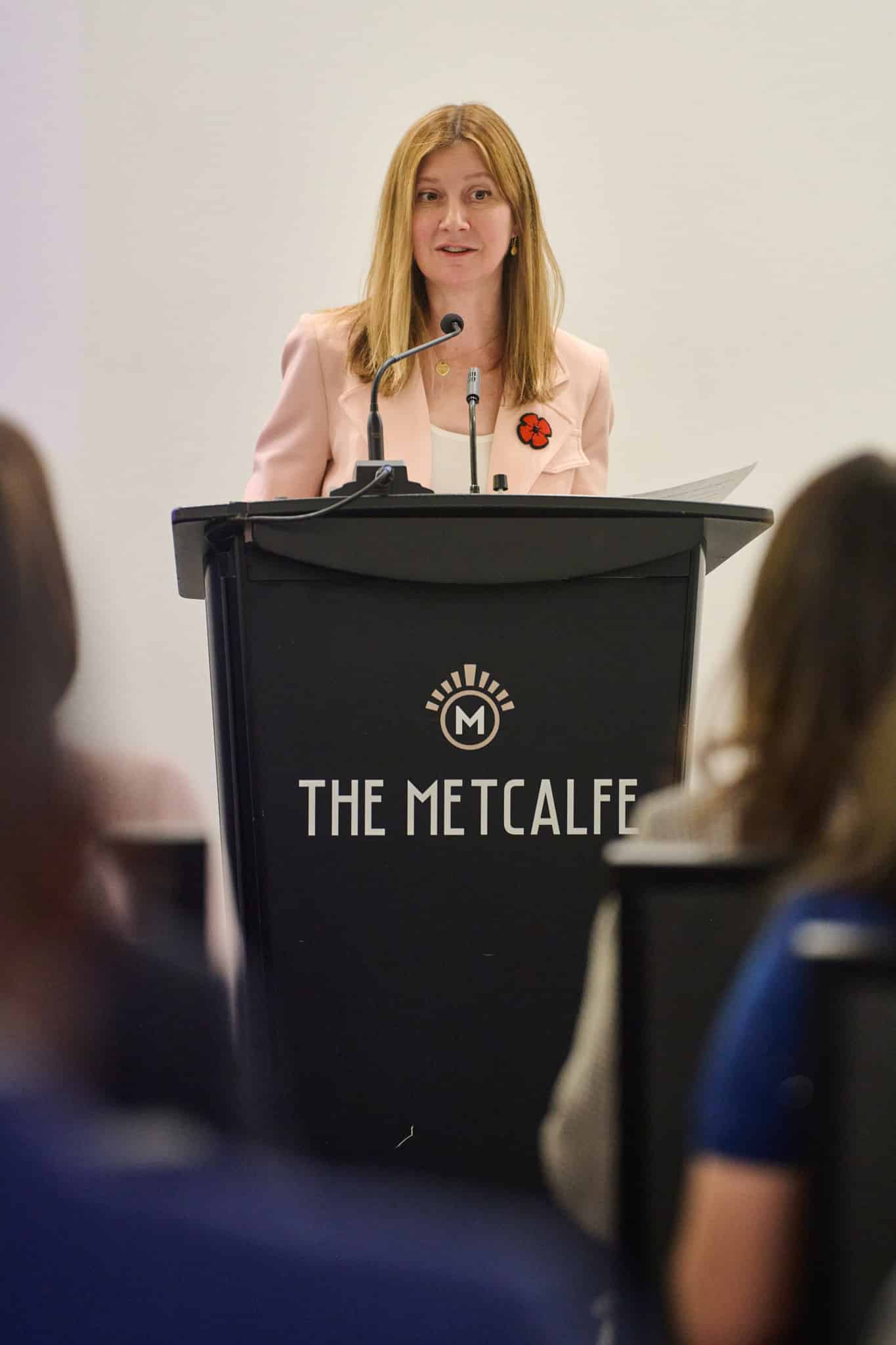
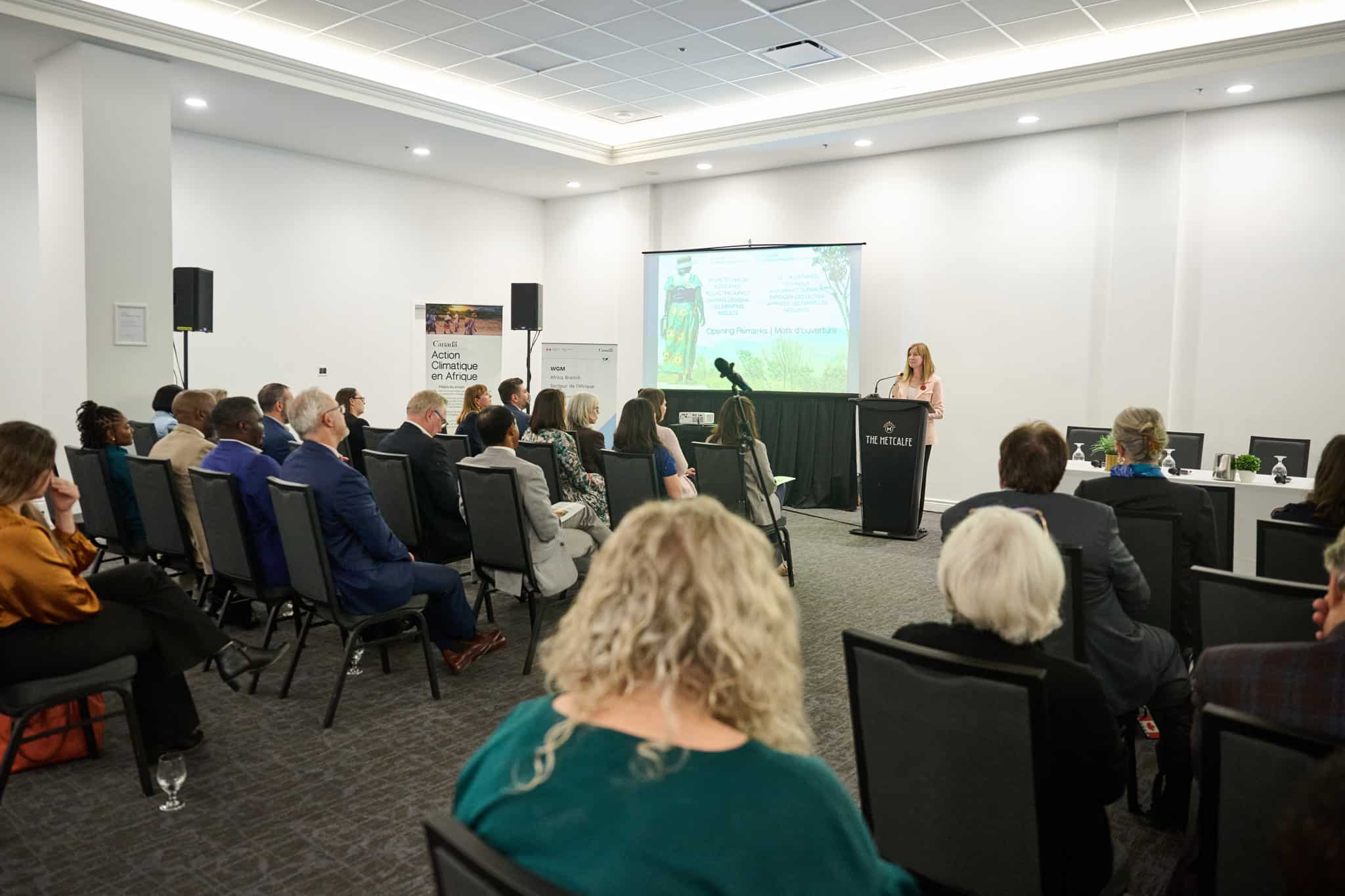
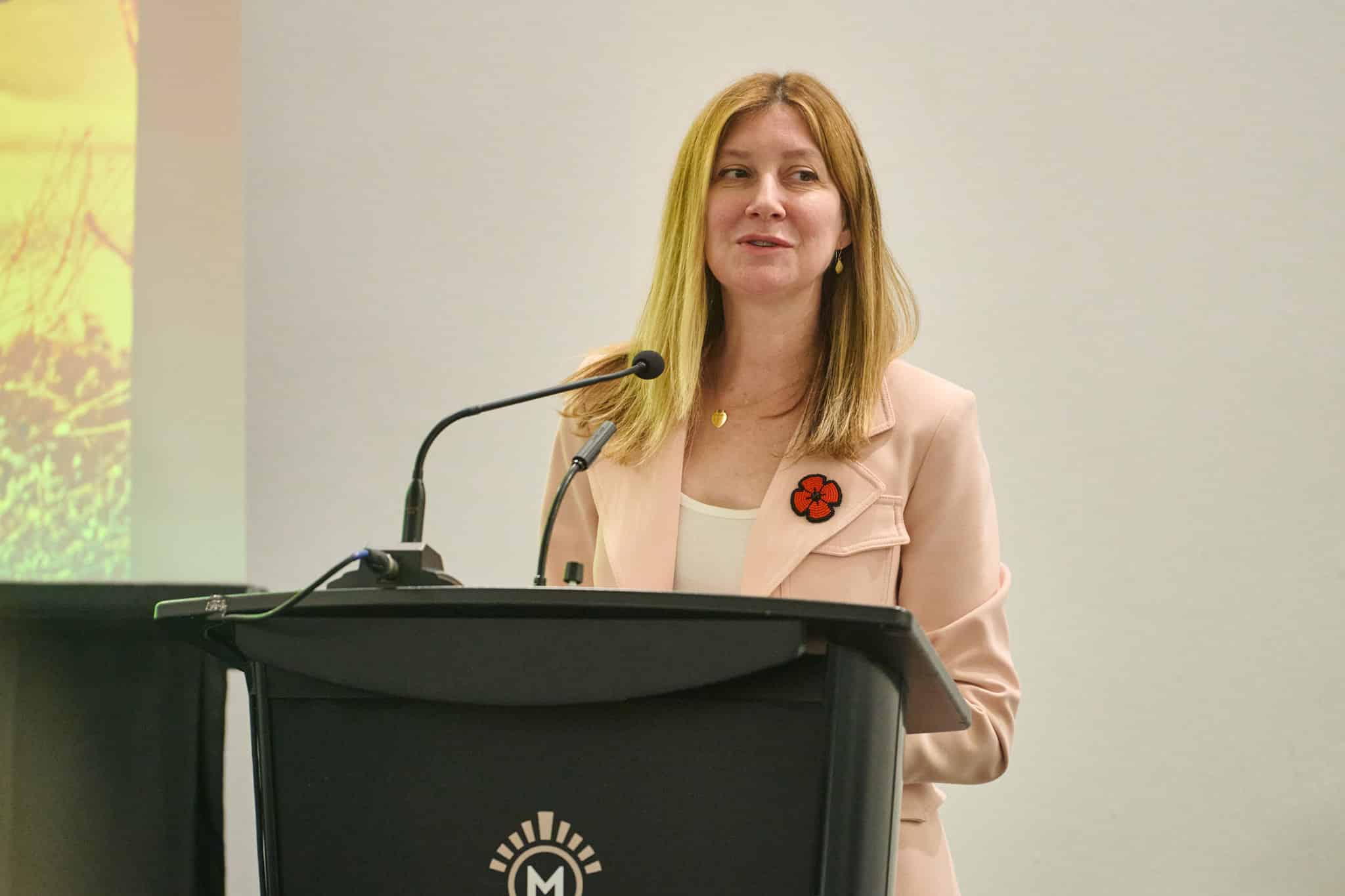
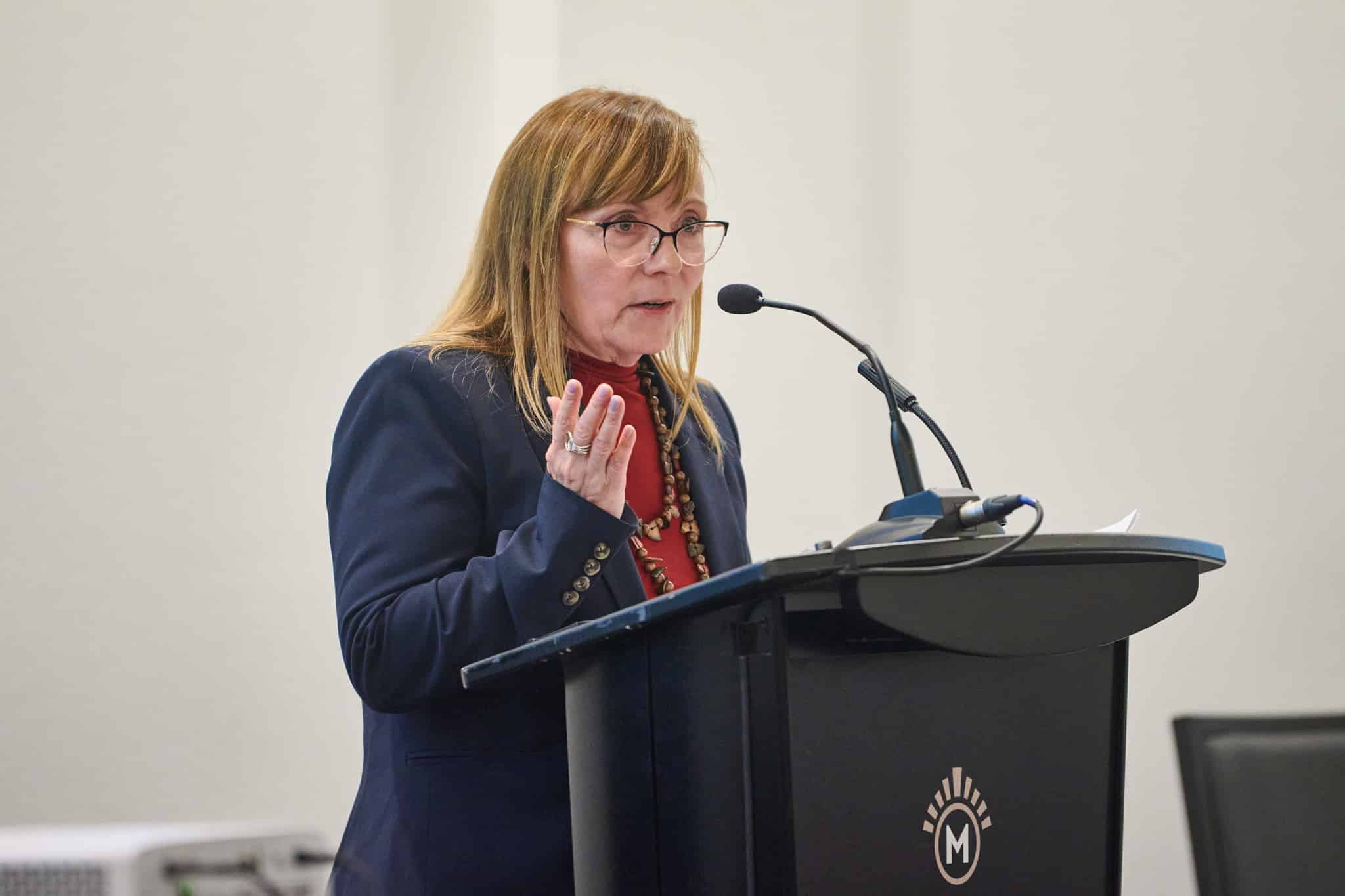
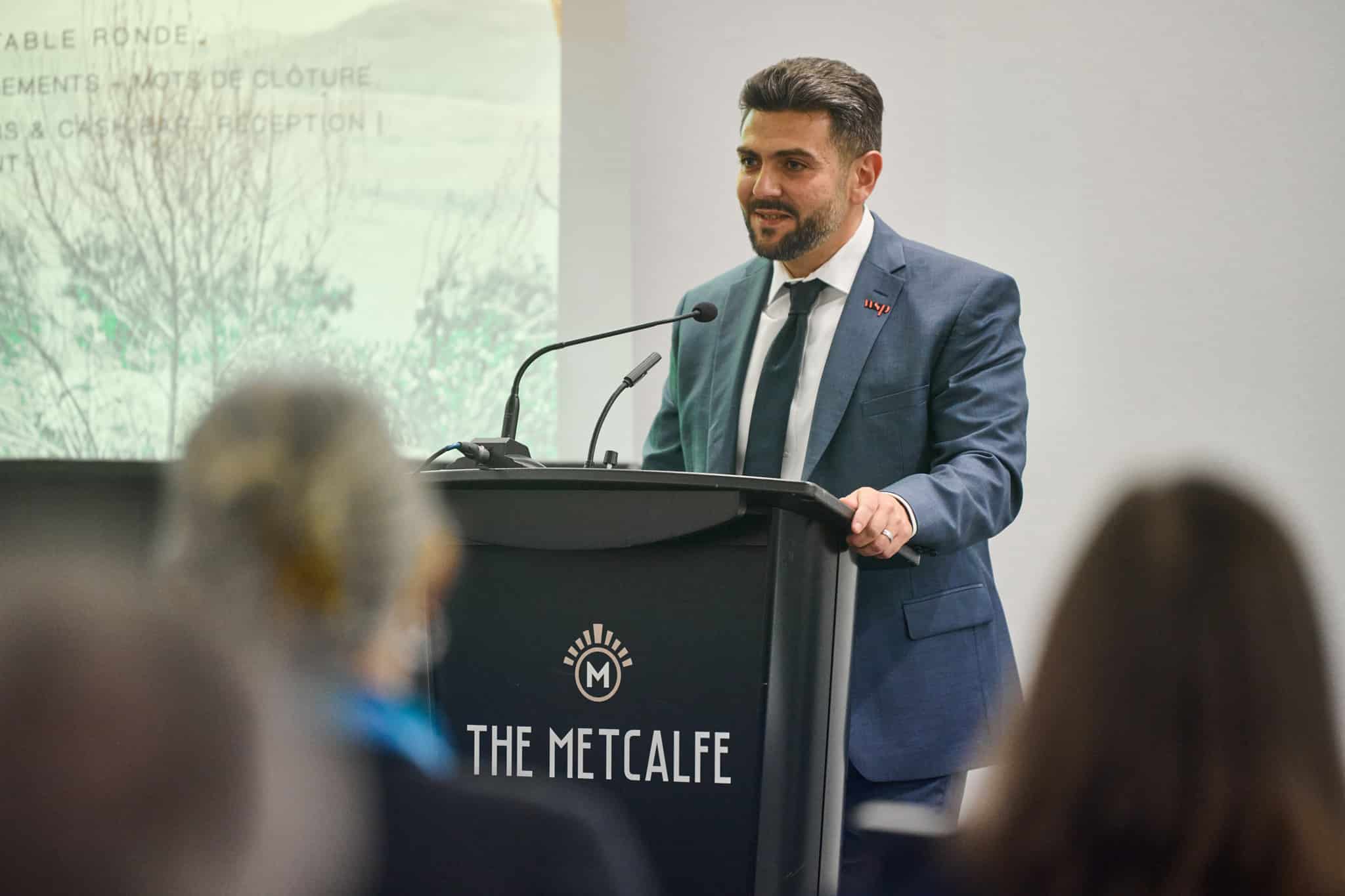
Climate Action Africa (CAA) marked its final closing with a successful event at the Metcalfe Hotel in Ottawa, Ontario, on November 2, bringing together 50 participants, including representatives of seven diplomatic missions and Global Affairs Canada (GAC), alongside technical experts and climate stakeholders. The gathering celebrated the partnerships and achievements made possible through Canadian and African collaboration. A sincere thank you to Cheryl Urban, Associate Deputy Minister of Pan-African Affairs at GAC for sharing opening remarks.
CAA has now officially closed but its legacy lies in the expertise shared, relationships strengthened and locally led solutions supported across Sub-Saharan Africa. These foundations offer opportunities to sustain climate resilience and build enduring Canada–Africa partnerships.
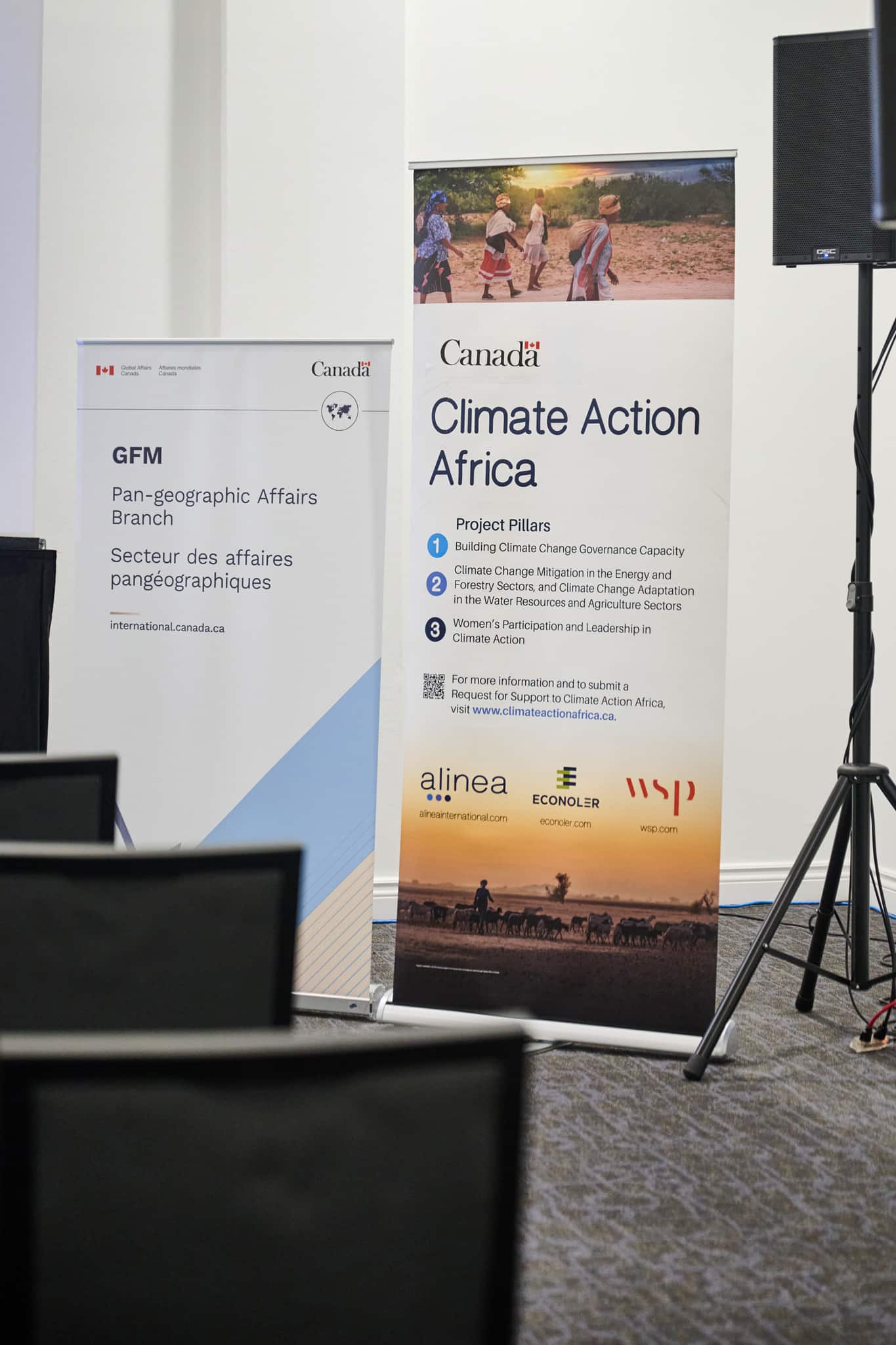
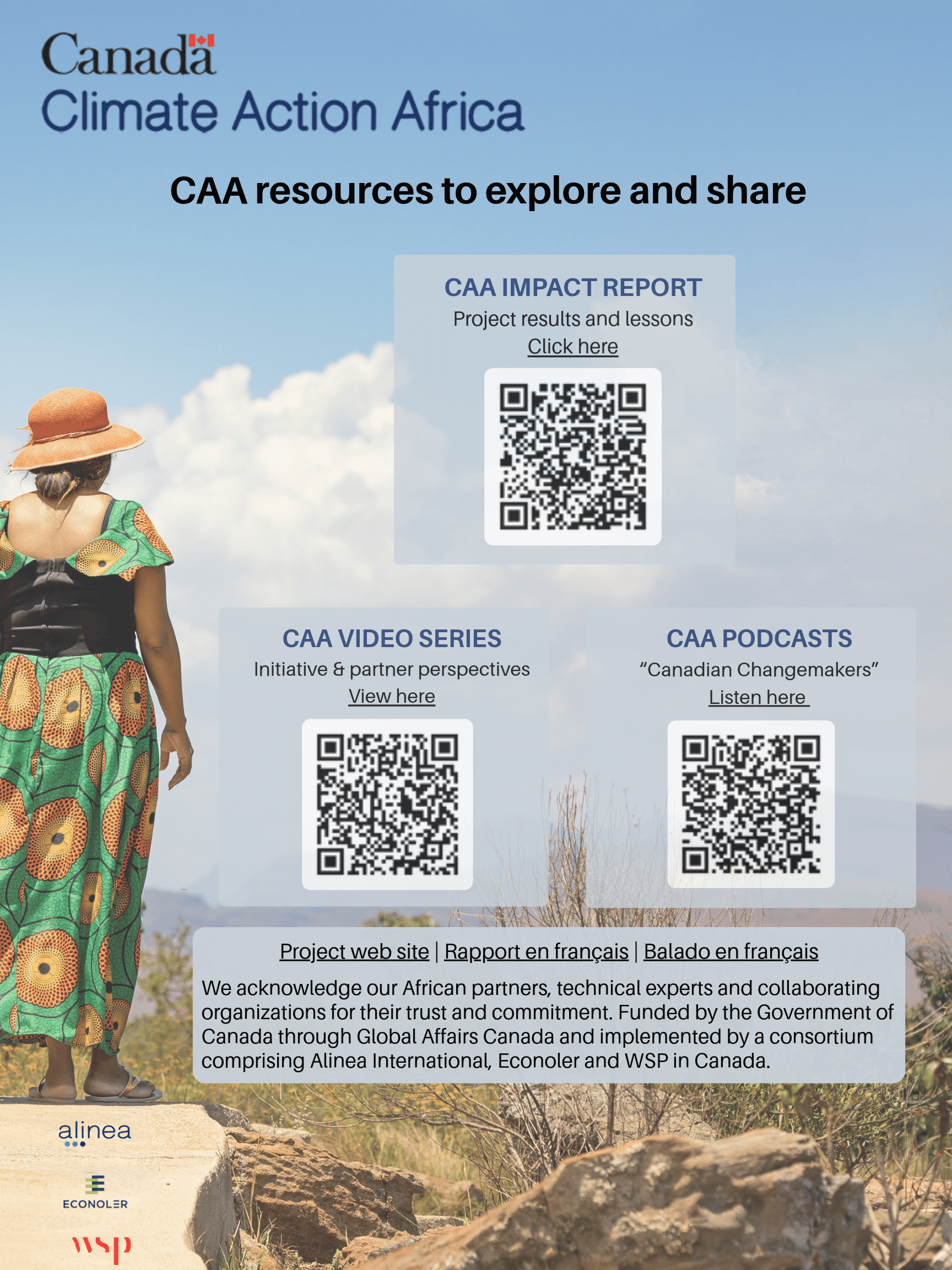
CAA is a Government of Canada Expert Deployment Mechanism funded by Global Affairs Canada and implemented by a consortium comprising Alinea International, Econoler and WSP in Canada. It connects Canadian and international climate expertise with needs identified by African governments, civil society organizations, and academia.
CAA • Program legacy
From climate ambition to lasting opportunity
CAA’s legacy offers a foundation for African-led resilience and stronger Canada–Africa partnerships.
As CAA closes, its legacy is reflected in what African partners are better equipped to do and influence: mobilize climate finance and action, strengthen institutions and enterprises, manage vital resources, and advance locally led, gender-responsive and socially inclusive solutions. Beyond technical outputs, CAA helped strengthen the leadership, networks, knowledge and evidence needed for women, youth, civil society organizations and local actors to shape climate decisions and drive action within their own communities and institutions
Across 42 technical assistance initiatives and 14 South-South Exchanges in 34 African countries, the project connected Canadian expertise with African priorities. Its lesson for future cooperation on climate action is clear: lasting results emerge when technical expertise is combined with local leadership, community knowledge, inclusive participation and institutions that can sustain and scale climate solutions over time.
Across the program, partners demonstrated that climate action is more effective when women, youth and marginalized groups contribute not only to implementation, but also to decision-making, planning and policy development. Some concrete examples of successful technical assistance delivered through CAA include:
Benin: preparing for green investment
With Canadian firm, Baastel, CAA supported the design of Benin’s national Green Bank Facility (Benin 013), with accompaniment of the African Development Bank, for renewable energy, climate-resilient agriculture and green growth. The investment concept, governance framework, safeguards, and Gender Assessment and Gender Action Plan established a stronger foundation for pursuing public and private climate finance. Its approximately EUR 500 million capitalization remains a proposed target; the achievement is an investment-ready framework that integrates gender equality and social inclusion into the core architecture of the facility, leaving a foundation for future climate investments that are both financially viable and more inclusive in their reach and benefits.
Nigeria: supporting women-led agribusinesses
CAA strengthened African Food Changemakers (AFC)’s existing Building Resilience Against Climate and Environmental Shocks (BRACE) programme through climate diagnostics, monitoring systems and digital tools, with technical support from Landell Mills. The initiative strengthened capacities among 204 agripreneurs, including 153 women, and supported the adoption of climate-smart practices such as drip irrigation, solar-powered equipment and seasonal planning (Nigeria 015). Beyond individual participants, the initiative strengthened AFC’s ability to track climate resilience and business performance through improved monitoring, evaluation and learning (MEL) systems, digital monitoring tools, and the integration of gender and inclusion considerations into data collection and reporting processes. By strengthening the evidence, climate-risk monitoring and use of disaggregated data, the work helped AFC better understand and address barriers facing women agripreneurs while informing more inclusive climate-resilience programming. AFC is now applying these systems across its wider programming and fundraising efforts, leaving a legacy of stronger institutional capacity and enhanced support for women-led agribusinesses across its growing network
Rwanda: putting climate information to work
With MEK Earth & Environmental and Aquatic Informatics, CAA helped the Rwanda Water Resources Board (RWB) expand its water monitoring platform from 250 to 1,000 locations. The system is operational and government maintained. The platform integrates a a citizen-based soil erosion monitoring application that supports community participation in low-connectivity settings (Rwanda 125). In this effort, more than 815 people received training, pairing Canadian technology with local capabilities and ownership. Beyond the technology itself, the initiative demonstrated the value of combining Canadian innovation with local knowledge. The citizen-science approach engaged community members in monitoring soil erosion and was deliberately designed to reduce barriers to participation for women, youth and persons with disabilities. Building on foundational gender-focused work led by another Canadian partner, InExchange, the initiative leaves a legacy of more inclusive approaches to environmental monitoring and decision-making, stronger recognition of community knowledge, and enhanced capacity to collect and use socially disaggregated data in support of climate-resilient water governance (Rwanda 118).
Somalia: Building the Foundations for Climate Finance and Investment
In Somalia, Canadian expertise from the Climate Risk Institute (CRI) helped establish the country’s first Climate Finance Strategy, strengthening the governance, institutional coordination and financing frameworks needed to attract climate investment (Somalia 043). Developed through consultations involving more than 50 stakeholders from 26 organizations, the strategy clarified institutional roles, strengthened climate-finance planning, and helped position Somalia to engage more effectively with international financing mechanisms. By integrating gender equality and social inclusion considerations into the strategy, the initiative also helped embed these elements within Somalia’s climate finance planning framework, leaving a stronger foundation for future investments that align with international financing requirements and better reflect the needs and priorities of those most affected by climate change. Following the initiative, the Ministry of Finance began the Green Climate Fund accreditation process, demonstrating how Canadian firms can help create the enabling conditions that unlock future public and private investment.
South Africa: connecting cleantech ecosystems
Through Écotech Québec and GreenCape Development Agency, CAA supported a Cleantech Cluster Playbook (South Africa 056) and implementation roadmap for sub-Saharan Africa, covering governance, financing and partnerships. GreenCape has secured follow-on funding and begun applying the model through regional initiatives. The work offers a pathway for Canadian and African innovation networks to build relationships, support technology adoption and develop markets together. The initiative also contributed to a growing recognition that a just and inclusive transition is critical to achieving long-term climate and economic goals. By helping GreenCape strengthen its approach to gender equality and social inclusion, the work laid foundations for more inclusive climate innovation and entrepreneurship ecosystems, better visibility of impacts on women, youth and historically disadvantaged groups, and stronger alignment with emerging international expectations for gender-responsive climate action and climate finance. The legacy extends beyond individual investments, providing practical tools, evidence and approaches that can help ensure future climate and economic opportunities are accessible to a broader range of innovators, entrepreneurs and communities.
The legacy of supporting women and youth in climate leadership
CAA’s defining feature was its commitment to gender-responsive and socially inclusive climate action in line with Global Affairs Canada (GAC) policy. Gender equality and social inclusion were integrated across the project, reflecting a core lesson repeatedly identified by CAA’s partners: climate solutions are stronger when the people most affected by climate change help shape them. By supporting women’s leadership, youth engagement, community participation and locally led approaches, CAA helped ensure that climate actions responded to lived realities, strengthened local ownership and generated benefits that were more likely to endure beyond individual project interventions.
Across the portfolio, women, youth, community leaders, civil society organizations, persons with disabilities and local practitioners contributed not simply as participants, but as partners shaping climate solutions, policies and investments.
This legacy can be seen in strengthened networks and leadership platforms that continue beyond the life of the project, some of whom include a women climate leaders’ network in Malawi (Malawi 108), youth climate leaders in Ghana, and networks of women and youth climate negotiators across the region. Women leaders contributed to local climate planning processes, strengthened engagement in national climate policy discussions and expanded participation in regional and global climate dialogues (Uganda 003). Youth leaders supported climate awareness, adaptation and environmental stewardship within their communities (Ghana 020). Together, these efforts demonstrated that inclusion is not an add-on to climate action but a foundation for stronger, more sustainable results.
Expanding the climate conversation and advancing action
CAA helped broaden both the climate conversation and climate action by advancing issues that have historically received limited attention within climate programming but are increasingly relevant – and instrumental – to the implementation of the Paris Agreement and related commitments, including the Belém Gender Action Plan. Through partnerships with African organizations, the project supported evidence generation, leadership, and practical responses on mental health, menstrual health and hygiene, childcare, and other social dimensions of climate resilience. In doing so, CAA demonstrated that climate impacts extend beyond environmental and economic losses to affect health, wellbeing, education, care work, dignity, and social inclusion.
In Ghana, youth leaders advanced climate adaptation (water and agriculture) and menstrual health education through schools and eco-clubs. In Kenya, partners helped elevate childcare as a climate resilience issue, while initiatives across Kenya, Uganda, and Ethiopia generated some of the region’s earliest evidence on the links between climate change and mental wellbeing. These efforts moved beyond awareness raising to strengthen local leadership, test practical approaches, and inform future policy and programming.
The legacy of this work is a broader and more inclusive understanding of climate resilience, supported by new evidence, local leadership, and practical models for action. By elevating overlooked issues and local perspectives, CAA helped position African partners at the forefront of emerging discussions on gender-responsive climate action, while leaving behind knowledge, networks, and approaches that can inform future policy and practice.
Aligned with Canada’s evolving priorities
Global Affairs Canada’s 2026–27 Departmental Plan calls for international assistance that advances shared economic priorities and global stability while upholding commitments to poverty reduction and gender equality. It also prioritizes stronger partnerships that advance Canada’s economic, trade and commercial interests.
CAA offers a practical bridge between these objectives: investment readiness and inclusive climate finance in Benin, climate-resilient women-led agribusinesses in Nigeria, combining technology and community knowledge through citizen science in Rwanda, and strengthening regional cleantech networks in South Africa. Together, these initiatives demonstrate how climate action, gender equality, social inclusion, economic opportunity, and locally led innovation can reinforce one another as foundations for shared prosperity.
The approach also resonates with Canada’s Africa Strategy, which links economic cooperation with poverty reduction, climate adaptation and finance mobilization. EDM-CAA’s contribution is a model of how to pursue these aims together: start with African priorities, strengthen institutions and connect specialized expertise to locally owned solutions.
Beyond individual initiatives, CAA contributed to a broader shift in how climate action is designed and delivered. The project has demonstrated that locally identified priorities lead to stronger ownership and more sustainable results; that peer learning accelerates the spread of practical solutions; that combining technical expertise with community knowledge and lived experience can deliver more relevant and durable climate solutions; and that climate policies, investments, and adaptation measures are more effective when gender equality and social inclusion are integrated from the beginning. These lessons represent an important part of CAA’s legacy and offer valuable guidance for future climate programming across Africa.
The next chapter starts with strong partners
Program closure recognizes the African institutions, businesses, networks, community organizations, and leaders, as well as the Canadian and international experts, whose collaboration made these results possible. The next step is to build on the capacities, partnerships, and locally led approaches established through CAA, while continuing to connect climate priorities with the financing, expertise, and leadership needed to advance resilient and inclusive development.
CAA leaves behind more than tools, relationships, and institutional capabilities. Its legacy can be seen in stronger networks of women, men, and youth climate leaders, advocates, practitioners, entrepreneurs, and institutions working to advance climate action across Africa. The project demonstrated that locally identified priorities, community knowledge, peer learning, and the meaningful integration of gender equality and social inclusion can strengthen climate solutions and improve their sustainability over time. By helping embed these approaches within climate finance, policy, investment, and adaptation initiatives, CAA leaves a foundation for more inclusive, locally led, and climate-resilient development well beyond the life of the project.
On behalf of Alinea International and the CAA dedicated team, we wish to acknowledge our delivery partners, Econoler and WSP, for their contributions to CAA and thank their advisors who supported Technical Assistance Initiative delivery. We also extend our sincere appreciation to Global Affairs Canada for its support, partnership, and trust throughout implementation.